Most people who ask me about a first instrument think they are buying one thing. They are actually assembling a beginner digital piano setup, and the parts have to agree with each other. The keyboard gets all the attention, but a 49-key board on a stand that wobbles, in front of a chair that sits three inches too low, ends a practice habit faster than a mediocre sample ever will. This guide covers six pieces that answer the whole question: what you play, what holds it up, and what connects it to the rest of the room.
Related: How to Set Up a Digital Piano in a Small Apartment
Quick answer
The Alesis Recital Digital Piano 88-Key Semi-Weighted is the strongest fit for a beginner who plans to take lessons, because it is the only instrument in this group with a full 88-key layout, and 88 keys is the range that method books, exam syllabi, and printed sheet music assume. Choose the RockJam RJ549 49 Key Keyboard Piano for Beginners with Note Stickers instead when the player is a young child who needs a compact first keyboard with the note names marked where they can see them.
Beginner digital piano and keyboard gear worth comparing
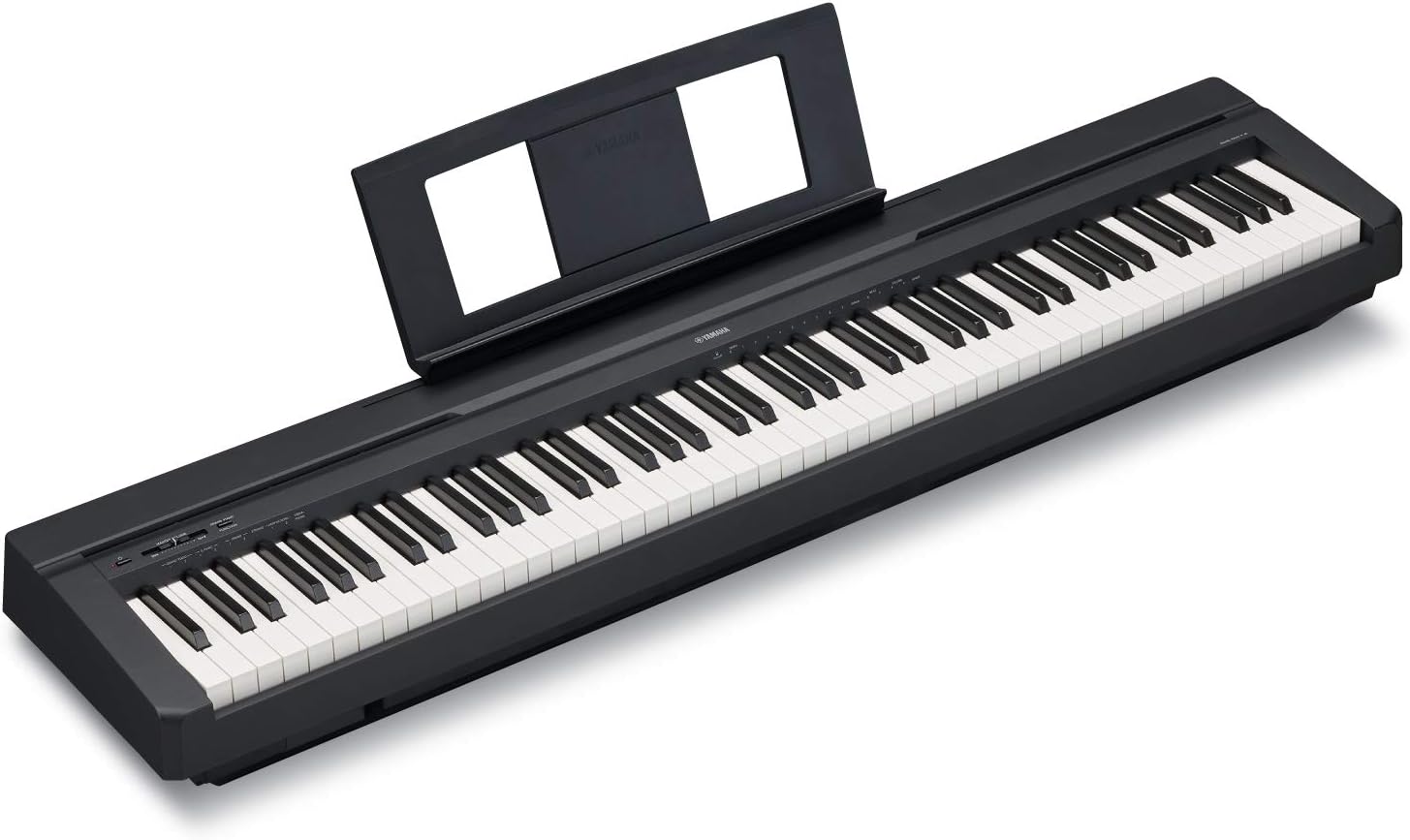
Alesis Recital Digital Piano 88-Key Semi-Weighted
A full 88-key digital piano with a semi-weighted action, and the only instrument in this roundup that gives a beginner the complete range of a standard piano keyboard.
Visit on Amazon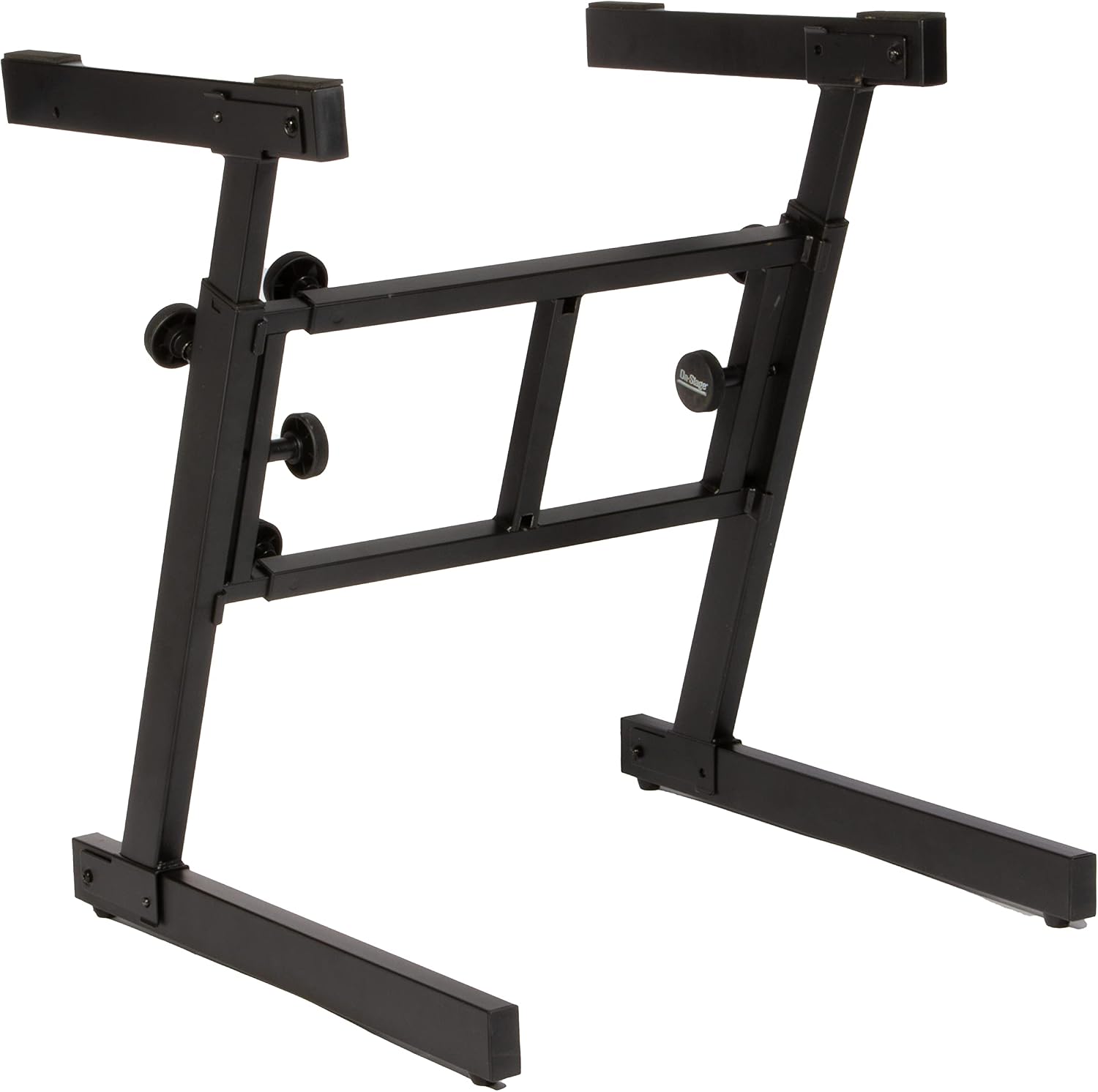
OnStage On-Stage KS7350 Pro Heavy-Duty Folding-Z Keyboard Stand, Black
A heavy-duty folding Z-style keyboard stand in black, built to fold flat when the practice corner has to become a living room again.
Visit on Amazon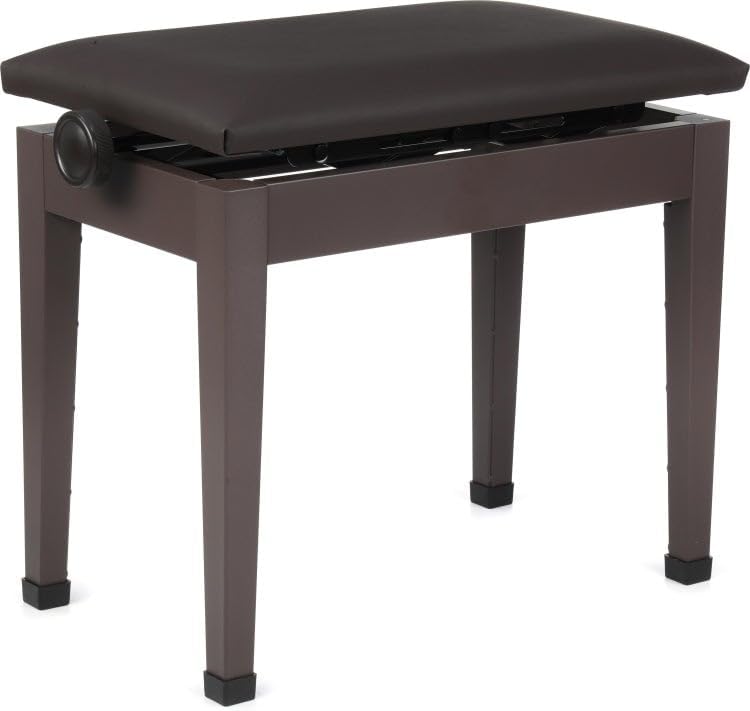
Liquid Stands Piano Keyboard Stand - Z Style Adjustable and Portable Heavy Duty Music Stand for Kids and Adults -Fits 54-88 Key Electric Pianos - Sturdy Musical Keyboard Stand (Black)
A Z-style keyboard stand that adjusts in height and width and is described as fitting 54 to 88 key electric pianos, which makes it the natural partner for a full-size board.
Visit on Amazon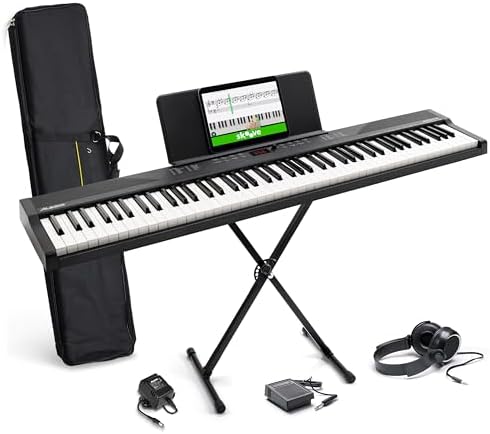
RockJam RJ461 61 Key Keyboard Piano with Pitch Bend for Beginners
Check current price
A 61-key beginner keyboard with a pitch bend control, positioned a step up in range from the smallest board in this group.
Visit on Amazon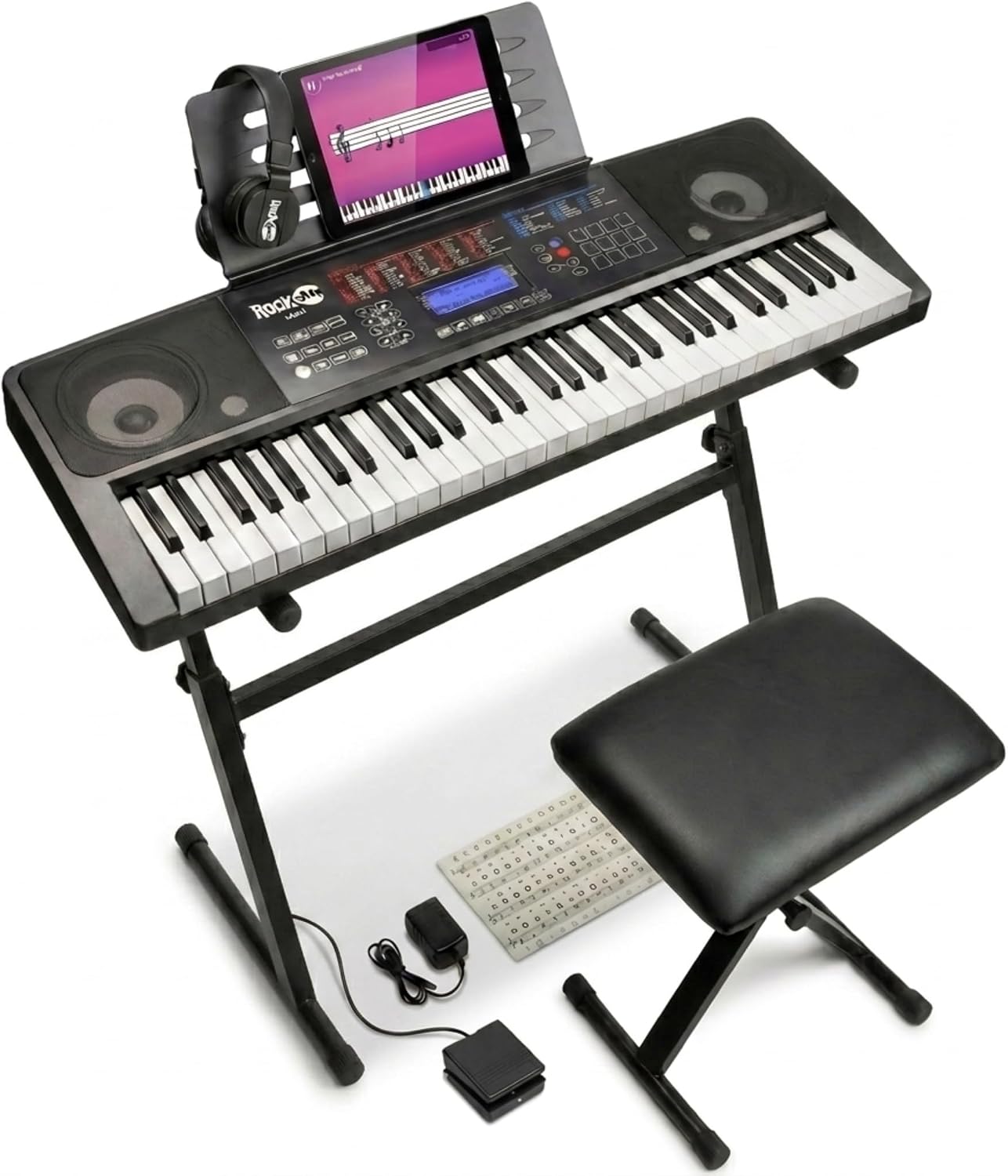
RockJam RJ549 49 Key Keyboard Piano for Beginners with Note Stickers
A 49-key beginner keyboard that ships with note stickers, aimed at the youngest players who are still learning where each note lives.
Visit on Amazon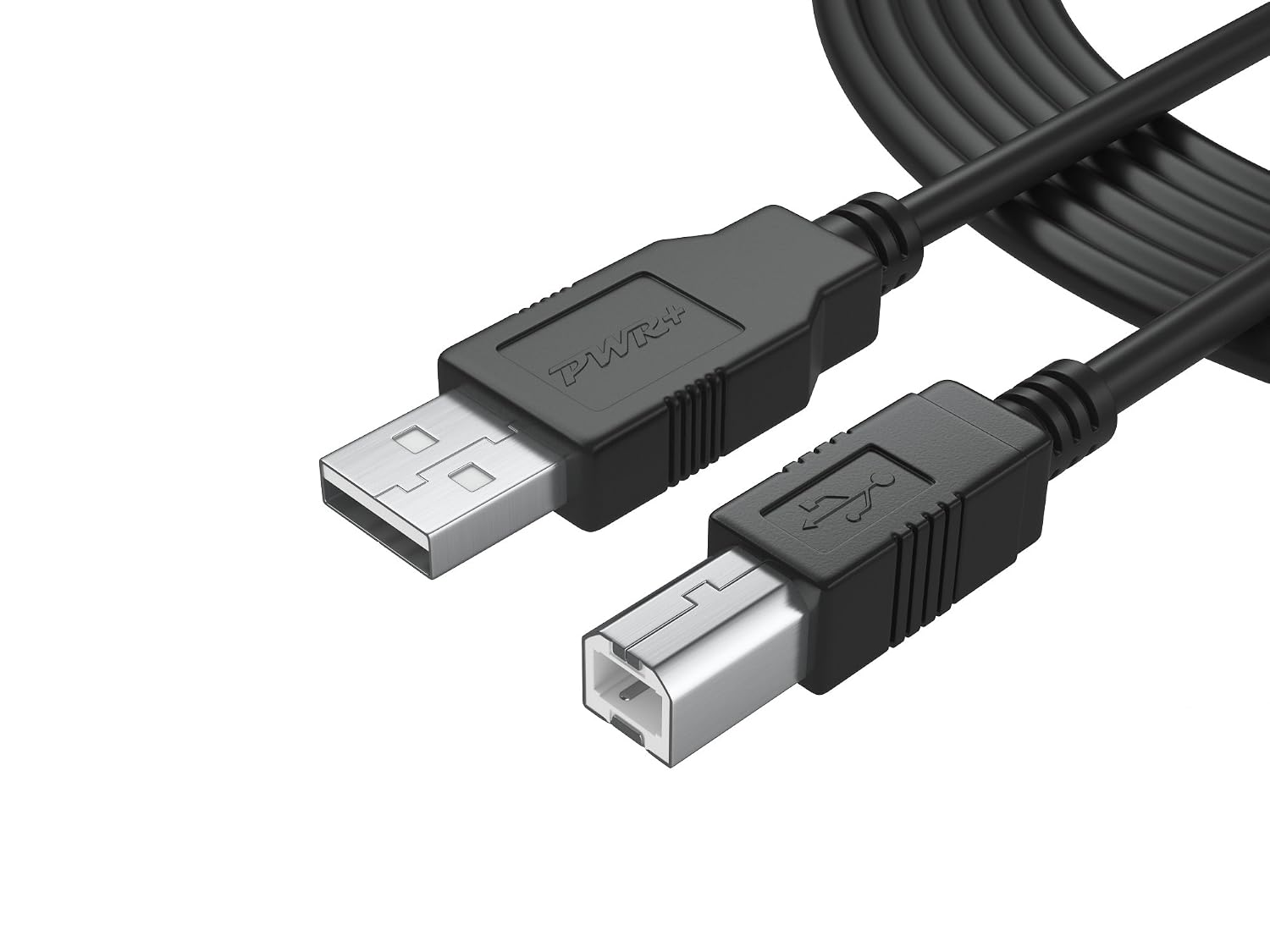
6Ft Long Cable USB 2.0 Type-A to Type-B High Speed Cord for Audio Interface, Midi Keyboard, USB Microphone, Mixer, Speaker, Monitor, Instrument, Strobe Light System Laptop Mac PC
A 6 ft USB 2.0 Type-A to Type-B cable for running a device with a USB Type-B port, such as a MIDI keyboard, into a laptop or desktop computer.
Visit on AmazonPrices and availability may change. Check the retailer for current details.
How these products were compared
This guide compares key count and what that count allows a player to read, the action type each instrument is described as having, stand stability and adjustability relative to the size of instrument it has to hold, the fit between the instrument and the age or experience of the player it is meant for, and the connection needs of a home practice corner. Product names, images, and retailer links are matched to the same product, so every card points to the item shown.
How to choose the right beginner digital piano setup
Key count is the first decision, and it is the one people get wrong in both directions. A 49-key keyboard is a reasonable first instrument for a six or seven year old, because the early method books stay inside that range and small hands do not need more keys than they can comfortably reach. A 61-key instrument covers most of the first three or four years of study, and the extra octave shows up in real repertoire sooner than parents expect. The 88-key layout is the only count that never forces a compromise. It is the full range of a concert instrument, so any piece a teacher assigns can be played as written instead of transposed up an octave in the middle of a phrase. If formal lessons are on the table at all, the full-size layout is worth the extra footprint.
Action is the second decision, and this group spans a genuine gap rather than a marketing one. The Alesis Recital is described as semi-weighted, which means the keys offer some resistance and return rather than the loose spring feel of an unweighted board. The two RockJam instruments are beginner keyboards without a stated weighted action. Semi-weighted is not the same thing as the graded hammer action on more expensive instruments, and a student who eventually moves to an acoustic piano will still have an adjustment period. But between a semi-weighted full-size board and an unweighted compact one, the semi-weighted instrument is the closer cousin to the piano they will one day sit at. If you want the longer explanation of what key resistance actually does to a student's control, our notes on action weight and key repetition go through it piece by piece.
Stands are where beginners under-spend, and it shows up as noise and distraction rather than as a broken product. A Z-style stand holds a keyboard on a rigid frame, and the two here differ in ways that matter. The Liquid Stands model is described as adjustable in height and width and as fitting 54 to 88 key electric pianos, which is the safer choice if a full-size instrument is going on top. The OnStage KS7350 Pro is a heavy-duty folding Z design, and the folding part is the feature to pay attention to if the keyboard has to come down between practice sessions. Then there is the cable question. A board that talks to a computer needs a USB Type-B connection at the instrument end and a Type-A port at the computer end, which is exactly what the 6 ft cable in this group provides. Buy the cable when you know the port types on both ends; do not guess from the shape of the socket.
Alesis Recital Digital Piano 88-Key Semi-Weighted
The Alesis Recital is the anchor of this setup because of one fact that everything else follows from: it has 88 keys. That is the full span of a standard piano, which means a beginner can work from any method book, any graded exam piece, and any sheet music they bring home without counting octaves first. The semi-weighted action gives the keys some resistance rather than the flat spring feel of an unweighted board, so finger strength and hand position develop against something closer to a real instrument.
The trade-off is honest and worth stating plainly. Semi-weighted is not graded hammer action, and it does not simulate the escapement or the graded weighting of an acoustic piano's mechanism. A student who spends three years on this instrument and then sits down at a grand will notice the difference in the first minute. That is not a reason to avoid it; it is a reason to think of it as a strong first instrument rather than a permanent one. The other trade-off is space. An 88-key board is roughly the width of a small sofa, so measure the wall before you commit, and pair it with a stand described as fitting that key count.
Alternatives to consider
The RockJam RJ461 61 Key Keyboard Piano with Pitch Bend is better suited to a beginner who has already outgrown the smallest layout and wants an extra octave without paying for a full-size instrument, while the RockJam RJ549 49 Key Keyboard Piano for Beginners with Note Stickers is a stronger fit when the player is a young child who benefits from the note names marked directly on the keys.
The Liquid Stands Piano Keyboard Stand, the OnStage On-Stage KS7350 Pro Heavy-Duty Folding-Z Keyboard Stand, and the 6Ft Long Cable USB 2.0 Type-A to Type-B High Speed Cord cover the rest of the setup. The Liquid Stands model is the one to pick when a 54 to 88 key instrument needs an adjustable frame underneath it, the OnStage stand is the one to pick when the rig has to fold away after practice, and the cable is the piece that turns a standalone keyboard into something a computer can see.
Day-to-day use and maintenance
A digital instrument in a home lives with dust, pets, and siblings, and most of the long-term problems start there. Keep the keyboard covered when it is not in use, and clean the keys with a soft dry cloth rather than a spray that can run between them. Check the stand's fasteners every few weeks; a Z-style stand that has worked slightly loose is the usual source of the rattle people blame on the keyboard. Route the USB cable so it is not pulled tight against a corner or hanging where a foot will catch it, and leave a little slack at both ends so the connector is not carrying the weight of the cord.
If the setup includes a sustain pedal, and most beginners add one within the first few months, plan for it to move. A pedal that slides across a hardwood floor mid-piece is a genuine distraction, and a small piece of grip material underneath solves it. None of the instruments in this group includes a bench or a pedal in the list of supplied contents, so treat both as separate purchases when you budget. Finally, keep the original packaging for the first month. If a key or a connector turns out to be faulty, the return is far simpler with the box still in the closet.
Buying checklist
- Measure the wall or floor space for an 88-key board, and measure the height of the chair or bench you already own before choosing a stand.
- Choose the key count based on normal use rather than an occasional edge case, and remember that 49 keys suits a young beginner while 88 keys suits anyone taking lessons.
- Confirm the stand's stated width range covers the instrument you are putting on it.
- Confirm the port types on both ends before buying a USB cable.
- Read the cleaning and maintenance instructions for the instrument.
- Verify the current retailer price, availability, and return terms.
Final recommendation
Choose the Alesis Recital Digital Piano 88-Key Semi-Weighted when the player is starting lessons or already reads music, because a full 88-key layout and a semi-weighted action make it the only instrument here that does not ask a beginner to work around its limits. Choose the RockJam RJ549 49 Key Keyboard Piano for Beginners with Note Stickers when the player is a young child taking a first step, and the RockJam RJ461 61 Key Keyboard Piano with Pitch Bend when a little more range is the priority. Whichever instrument you pick, budget for the stand and the cable in the same purchase, since a keyboard without a stable place to sit is only half of a beginner digital piano setup.