Most people shopping for a first piano end up choosing between two things that are not in the same category at all: a real weighted instrument, and an 88-key slab that costs about what a decent dinner out costs. This 88-key digital piano comparison puts four Amazon listings side by side, and the honest result is that only one of them is a piano in the sense my students need, two of them are the same gamble under different listing titles, and one of them is a stretchy piece of fabric that will outlive both.
I teach 30 students a week out of a home studio in Seattle, and every September I meet the same transfer student: three months of summer on a light, springy keyboard, and a left hand that has learned to slam. The action is the piano. Samples, speakers, Bluetooth, USB-MIDI, none of it matters much if the keys do not let a player control tone with finger speed.
If the budget can reach it, the Yamaha DGX-670B is the only instrument in this group I would put in front of a student. If the budget is fixed, the two semi-weighted 88-key bundles are effectively one product sold twice, and the dust cover is a cheap, sensible addition to whichever you choose.
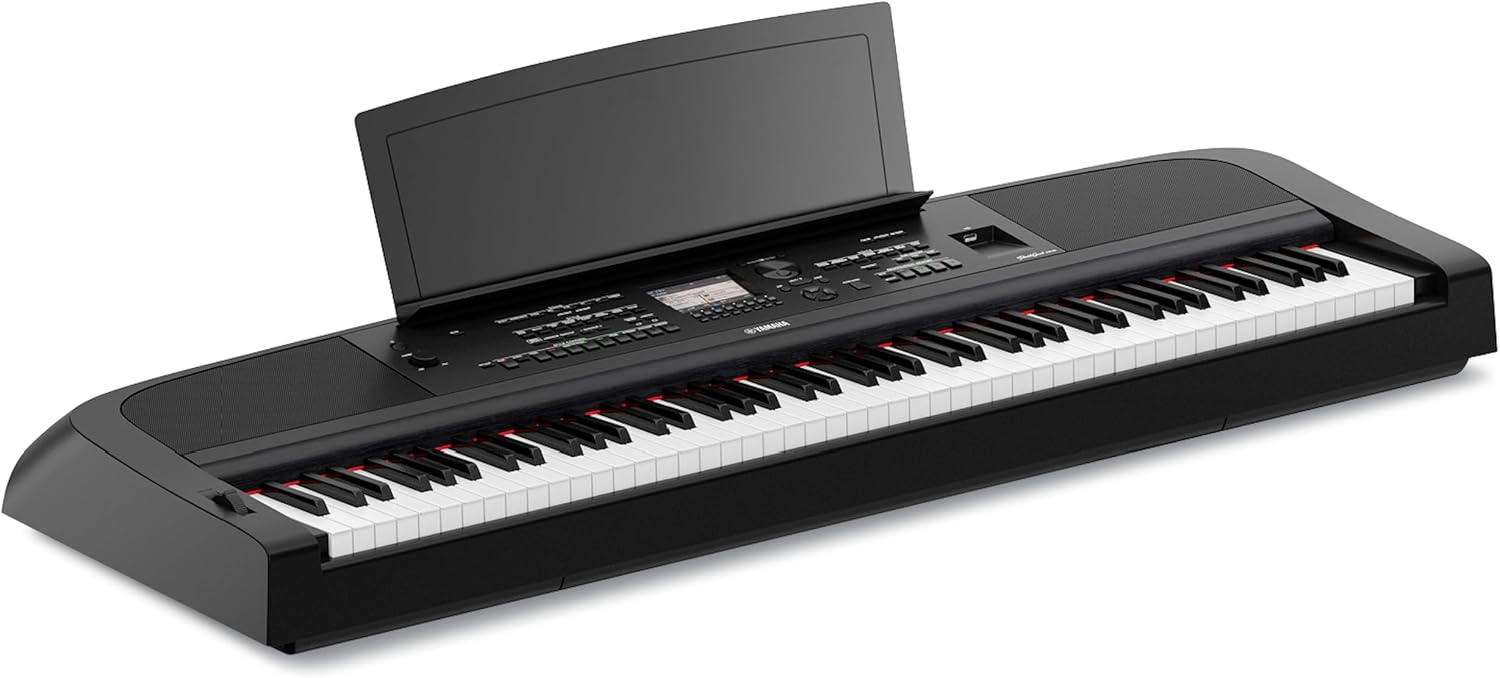
Yamaha DGX-670B 88-Key Weighted Digital Piano
Weighted 88-key action from a brand with decades of action consistency, plus a cabinet and real speakers
Costs many times what the bundles cost, and it is heavier to move
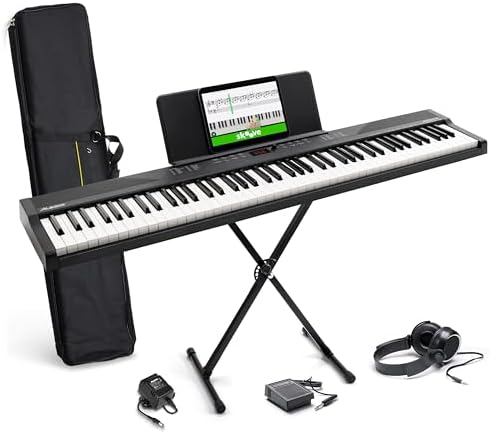
88 Key Piano Keyboard with Semi Weighted Keys bundle
Full 88-note span, complete starter kit, USB-MIDI, easy to carry
Semi-weighted keys cannot teach dynamics; bundle pedal and stand are the weak links
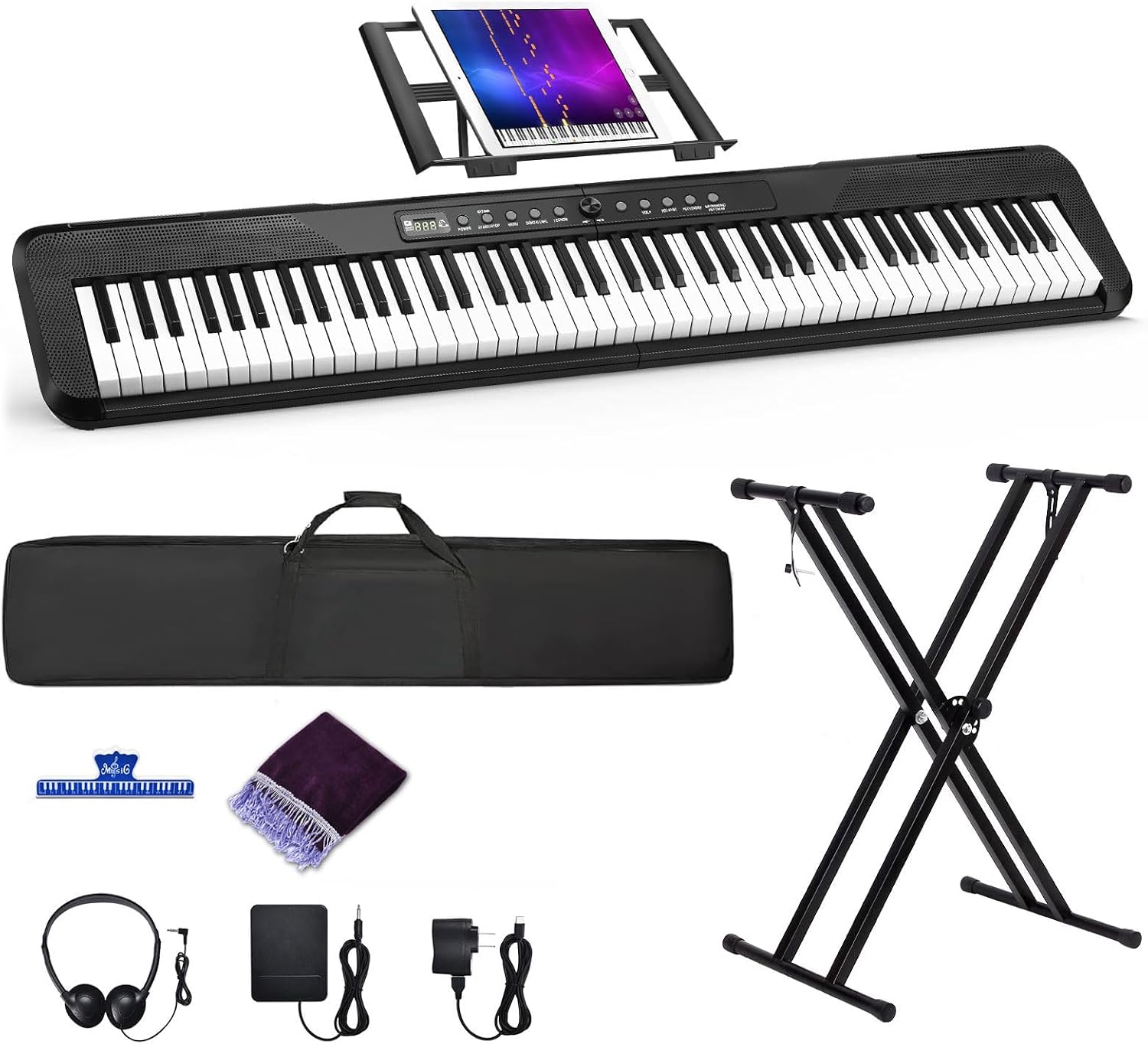
88 Keys Piano Keyboard with Semi Weighted Key bundle
Nearly identical feature list to the other bundle, same beginner-friendly kit
Same action limitation, and the listing reads like the same product
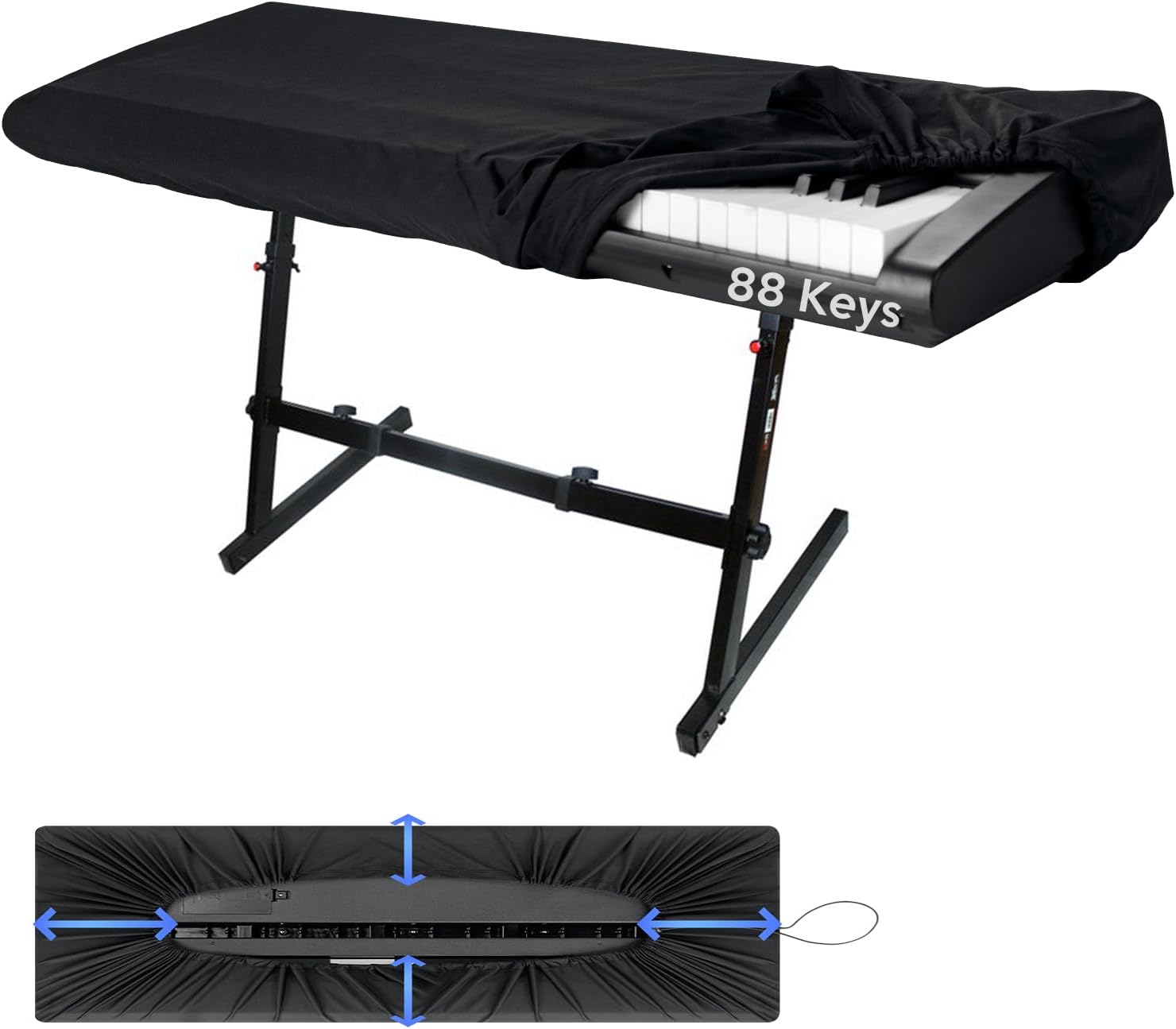
88 Keys Piano Keyboard Dust Cover
Elastic corners and a cord lock that actually keep it on the instrument
Protects against dust only, not impact, and it is not an instrument
Prices and availability were captured from Amazon Creators API and may change.
What each of these products actually is
Four listings, three roles.
The Yamaha DGX-670B is a real digital piano. It is an 88-key weighted instrument in a black cabinet-style body, the kind of thing that gets called a portable grand because it has speakers built in and sits on a proper stand. Full 88-note span, weighted keys, and a brand whose action consistency I trust more than any spec sheet.
Then the two budget bundles. Read their names side by side and you will notice they are nearly word for word the same: 88 keys, semi-weighted keys, sustain pedal, power supply, stand, carrying case, headphones, USB-MIDI compatibility, marketed to beginners and adults. Two listings, two prices that drift around, essentially one product category. If you are comparing those two against each other, you are comparing sellers, not pianos.
Then the dust cover: an 88-key cover with elastic and a cord lock, sold as a piano accessory. It is not an instrument and it has no business on a piano shortlist, but it belongs in this comparison because it is the cheapest thing you can do to protect whichever board you buy.
The action is the instrument
Semi-weighted is not a halfway point between weighted and unweighted. It is a spring, usually a light one, with a little mass added to the key. A weighted, graded hammer action uses actual weights and a pivot, so the key resists your finger differently depending on how fast you press it. That resistance is what lets a player shape a crescendo with the hand instead of with a volume knob.
What semi-weighted keys do well: they are light, quiet, inexpensive, and they do not tire out a seven-year-old. What they do badly: they make dynamic control very hard to learn, they bounce, and key repetition suffers. When a transfer student arrives in the fall playing every note at the same volume, the keyboard at home is almost always part of the story.
The Yamaha sits on the other side of that line. Yamaha has been building weighted actions for decades, and its graded hammer actions are the reference point for everything below true hybrid instruments with real hammers. That is what the extra money buys, and it is the one part of the purchase I would not compromise on. Graded hammer action is a spectrum, not a checkbox, and the good end of it lets you control tone with finger speed rather than just with force.
The two budget bundles describe semi-weighted keys in their own listing text. That is honest marketing, and I will take them at their word. Nothing in those descriptions claims a hammer action. They are fine first-contact instruments for a curious eight-year-old, and they are a poor primary practice instrument for anyone taking weekly lessons.
Speaker voicing, not sample libraries
Every listing in this group mentions sound. The Yamaha has a full speaker system inside a cabinet, which is a genuinely different proposition from the small drivers you get in a slab with no cabinet volume behind them. Speaker quality matters more than sample library size, and a beautiful grand piano sample played through a three-inch driver sounds like a beautiful grand piano played through a pillow.
For the budget bundles, the speakers exist, and they will let you hear what you played. They will not make you want to keep playing, and that matters more than people admit. A digital piano is a practice tool first. If the sound is thin and the action is springy, the instrument ends its life under a bed.
There is a practical workaround that costs almost nothing: headphones. Both budget bundles ship with a pair, and if you practice with headphones the speaker problem mostly disappears. The catch is the jack. If the headphone jack is on the back of the unit, you will spend two years reaching behind the piano. Check where the jack is before you buy, because it is the detail nobody puts in a comparison table and everybody complains about later.
What the budget bundles get right
Bundles get mocked, and sometimes fairly. But these two semi-weighted 88-key listings include a stand, a sustain pedal, a power supply, a carrying case, and headphones, and that is genuinely everything a beginner needs on day one. If the alternative is a child who waits three weeks for a stand to arrive before touching the instrument, the bundle wins.
Two warnings, both from the same place. First, the sustain pedal in almost any bundle is a light plastic switch, and light plastic switches slide across a floor and stop registering. Budget for a proper pedal with a rubber base. Second, the bundled stand is usually an X-style or folding stand. It is fine, but it wobbles at volume, and a wobbling stand teaches a student to play tentatively, which is the opposite of what you want in the first year.
The carrying case is the piece I would actually keep. A semi-weighted board that can go in a case is a board that can go to a lesson, to a friend's house, or to a casual gig. That portability is the real advantage of this category over a cabinet piano, and it is the reason slabs are the smart buy for a lot of households.
The case for the dust cover
If you buy any of the three instruments here, buy the cover. An 88-key dust cover with elastic corners and a cord lock keeps dust, hair, and pet fur out of the key bed, and a key bed packed with debris is a service bill. The elastic and the cord lock are the parts that matter. A cover that does not stay on is a cover that ends up folded in a drawer.
It is not a substitute for a case, and it will not protect anything from a fall. It is a ten-second habit at the end of practice and the cheapest maintenance you will ever do on a digital piano.
Which one to buy
If you are an adult returning to the piano, or the parent of a student taking weekly lessons, buy the Yamaha DGX-670B. Weighted keys, a cabinet, real speakers, and an action that will not fight you. Visit on Amazon → and check the current price against your local used market, because a used weighted slab at the same money beats a new semi-weighted board every time.
If the budget is fixed and this is a first instrument for a young beginner who may or may not stick with it, buy whichever of the two semi-weighted 88-key bundles is cheaper on the day you order. Visit on Amazon → for one and Visit on Amazon → for the other, then compare the two listings line by line. They read like the same product from the same factory, and I would not pay a premium for a different listing title.
Either way, add the dust cover, and set aside a little money for a better sustain pedal within the first six months. That pedal upgrade does more for a beginner's playing than any feature listed on the box.
If you already own a weighted piano and you want something to throw in the car, one of the semi-weighted bundles is a reasonable second instrument. Just do not let it become the only instrument in the house, because it will quietly become the one that gets practiced on.
The bottom line
Ranking this group is easy. The Yamaha is the piano. The two budget bundles are the same hedge sold twice, and they are a legitimate starting point for a child and a bad long-term plan for anyone serious. The dust cover is the one product here that is unambiguously worth buying.
One prediction, since I keep a dated list and score it every January: action quality keeps spreading down the price curve. The entry-level slab of 2027 will feel like a mid-tier slab of a few years ago, and the gap between a budget bundle and a genuine weighted instrument will keep narrowing. Until that happens, the choice in this comparison is still between learning dynamics and learning to live without them.