Shopping for weighted-key digital pianos means wading through marketing about "concert grand" samples and enormous polyphony numbers before anyone tells you the two things that decide whether you keep playing: how the keys feel under your fingers, and whether the instrument sounds acceptable at the volume your household will tolerate at nine in the evening. Those are the questions this guide is built around.
The six products below spread across a deliberately wide range. Four are instruments with weighted keys: the Kawai ES120, the Casio Privia PX-S3100, the Donner DDP-100 bundle, and the Nord Stage 4. Two are supporting picks rather than instruments: a short book about playing a digital piano and a small wooden keyboard for young children. If you are outfitting a household with a ten-year-old beginner and an adult returning to the piano, both ends of that list can matter to you.
Related: How Much Should a Beginner Digital Piano Cost?
Quick answer
The Kawai ES120 88-key Digital Piano with Speakers - Light Gray is the strongest fit for daily home practice because it pairs a full 88-key weighted layout with built-in speakers in a compact slab that suits a small room. Choose the Casio Privia PX-S3100 88-Key Weighted Digital Piano instead when you want a slim body and a much longer list of built-in tones. Choose the Donner DDP-100 when you are buying for a beginner and want a furniture stand and power adapter included in the same purchase.
Weighted-key digital pianos worth comparing
Here are the six picks, top pick first. Each card links to the exact product shown, so the name, image, and retailer link always belong to the same item.
Kawai ES120 88-key Digital Piano with Speakers - Light Gray
An 88-key weighted digital piano with onboard speakers, built as a compact slab for players who want a full keyboard without a cabinet.
Visit on Amazon
Casio Privia PX-S3100 88-Key Weighted Digital Piano | 700 Tones | Slim
An 88-key weighted digital piano described as slim, with a built-in library of 700 tones for players who want a wide palette of sounds.
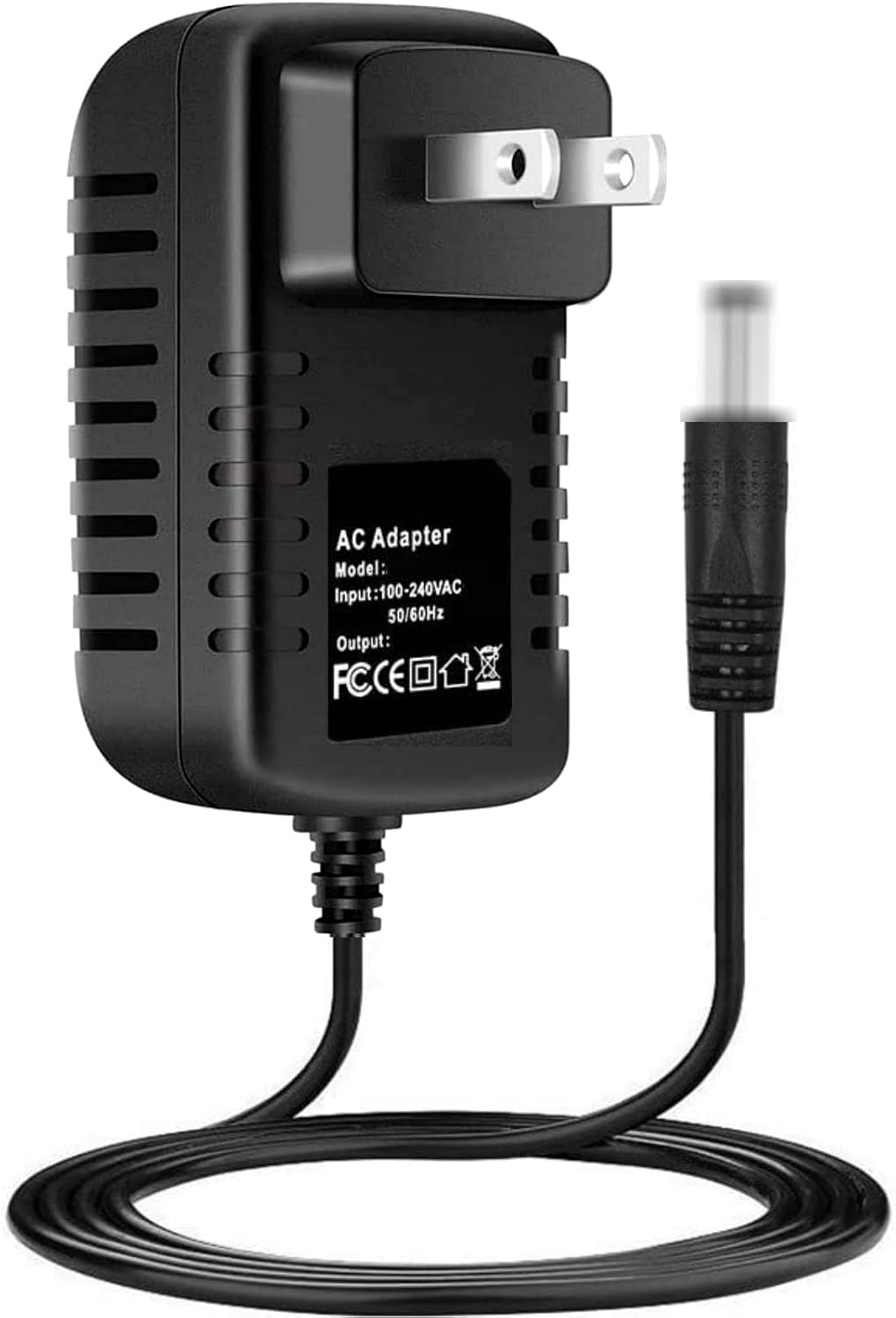
Visit on Amazon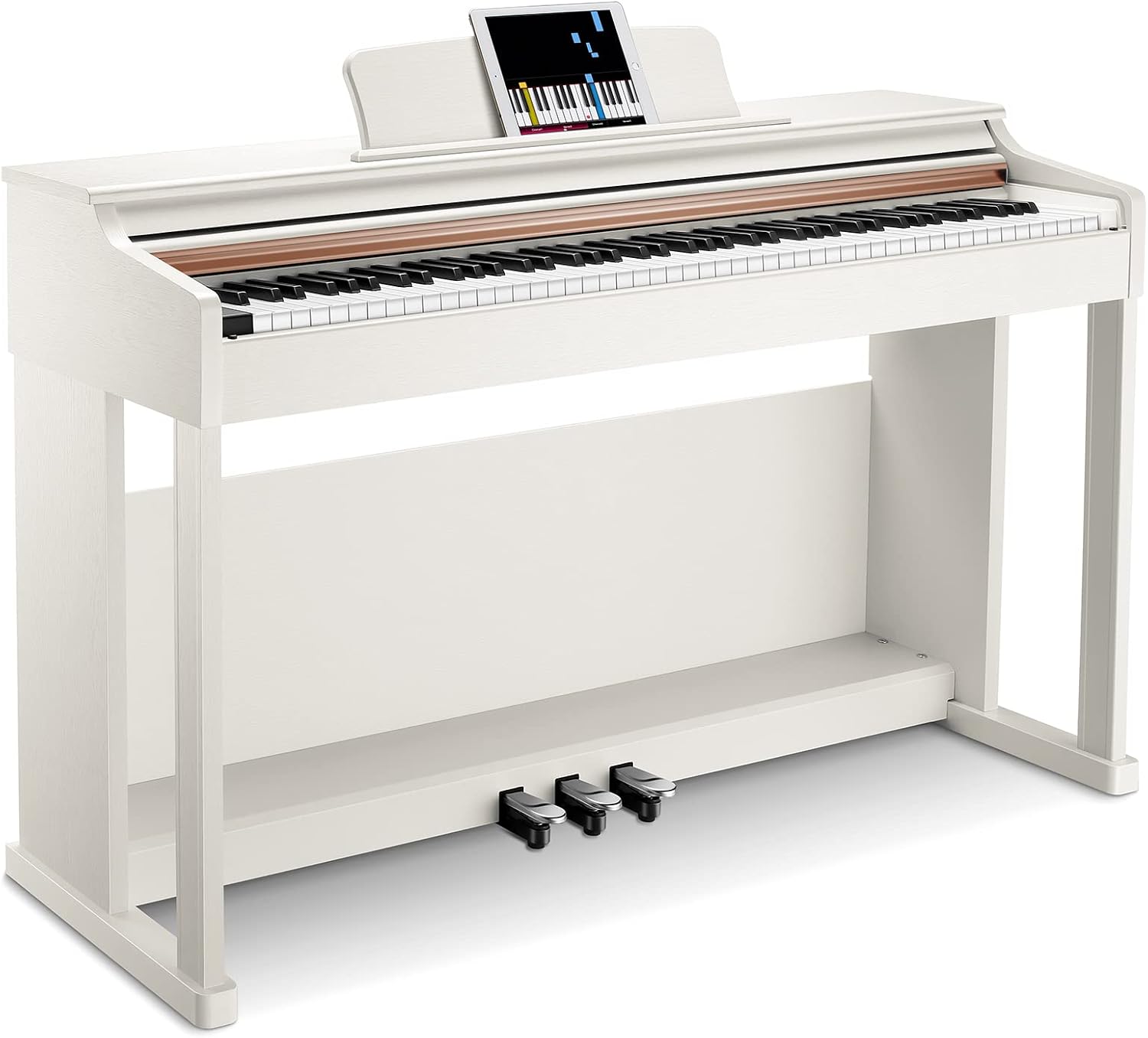
Donner DDP-100 88-Key Weighted Action Digital Piano, Beginner keyboard piano Bundle with Furniture Stand, Power Adapter, White
Check current Amazon price
An 88-key weighted action digital piano sold as a beginner bundle with a furniture stand and power adapter, finished in white.
Visit on Amazon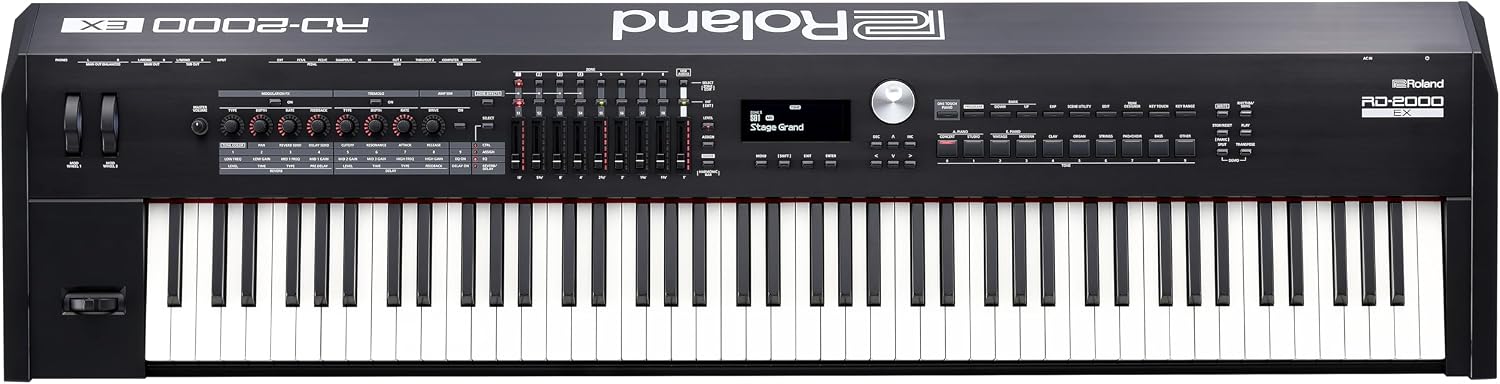
Nord Stage 4 73-Key Fully-Weighted Keyboard
A 73-key fully-weighted stage instrument aimed at gigging players who want a road-ready keyboard rather than a home cabinet.
Visit on Amazon
Playing A Digital Piano: How To Use Your Piano
A book about playing and using a digital piano, useful as a structured companion for someone who has just bought a first instrument.
Visit on Amazon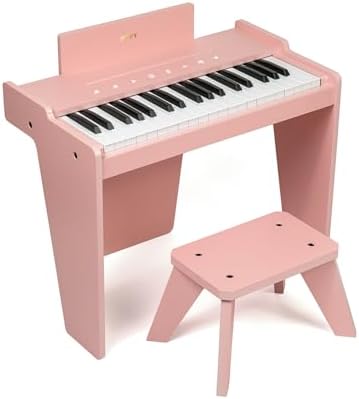
Kids Piano Keyboard, 37 Keys Digital Piano for Kids, Music Educational Instrument Toy, Wood Piano for 3+ Girls and Boys
A 37-key wooden keyboard sold as a music education toy for children aged three and up, sized for small hands and short attention spans.
Visit on AmazonPrices and availability may change. Check the retailer for current details.
How these products were compared
This guide compares key count and layout, the action type as described by the manufacturer, whether onboard speakers are part of the instrument, what ships in the box, and the player level each product is built for. Product names, images, and retailer links are matched by ASIN so that every card points to the product shown.
The comparisons rest on published product information rather than bench testing of these particular units, and no measurement, sound test, or ownership claim is made here. Think of the list as a way to narrow the field to two or three candidates, then play them in person if you possibly can. Prices and availability move around constantly, so confirm the current price, stock, and return terms through the retailer link before you commit.
How to choose the right digital piano
Key count is the first fork in the road, and it is the one buyers get wrong most often. An 88-key instrument gives you the full range of the literature, which starts to matter the moment a student reaches late intermediate repertoire. A 73-key instrument, like the Nord Stage 4 here, covers most popular and jazz material but will run out of room at the extremes of some classical pieces. A 37-key keyboard, like the kids model in this list, is a first instrument for a small child and nothing more. Buy for the music you expect to be playing two years from now, not for the piece you are working on this month.
Action comes second, and it is the part you cannot upgrade later. Weighted keys are a spectrum rather than a checkbox. Cheaper weighted actions tend to feel springy and give you limited control over tone as you push deeper into a phrase, while better ones let you shape a line by how quickly you move your finger. Two instruments with identical key counts can therefore feel like entirely different products to the same player, which is why the action deserves more of your attention than the tone list.
Form factor is the third decision. A slab has no cabinet, sits on a stand, and moves when you move. A cabinet instrument is furniture, and you pay for the furniture as much as for the electronics. For most apartments and most students, a slab plus a solid stand and a pedal you can live with is the smarter buy, and it survives a move far better than a heavy cabinet. For the full breakdown of that trade-off, see slab versus cabinet digital pianos.
Finally, decide how you will actually hear the instrument. Onboard speakers matter more than sample library size, because a wonderful sample played through a small, thin speaker sounds like a wonderful sample played through a pillow. If you will practice mostly in headphones, speaker quality drops in importance and the action rises. If you plan to play for family or record yourself without extra gear, built-in speakers move to the top of the list.
Kawai ES120 88-key Digital Piano with Speakers - Light Gray
The Kawai ES120 is the pick here because it pairs a full 88-key weighted layout with onboard speakers in a compact light gray slab. That combination covers the way most people actually practice: headphones late at night, speakers when the house is awake and you want to hear the instrument without wearing anything on your head. The 88-key layout means a student never outgrows the range, and the built-in speakers mean you do not have to add an amplifier or a pair of monitors just to get sound out of the thing.
The trade-off is what the listing does not bundle. This is a slab, so there is no furniture stand, bench, or cabinet included in the product as described, and your budget should account for a stable stand and a pedal that stays where you put it. That is a category difference rather than a flaw: you are buying the instrument, not the furniture around it. It also offers far fewer built-in tones than the Casio below, so if exploring a long list of instrument sounds is part of the appeal, that model is the better match.
Alternatives to consider
The Casio Privia PX-S3100 88-Key Weighted Digital Piano is better suited to players who need a slim instrument and want a wide palette of sounds, since it is described as slim and carries 700 built-in tones. The Donner DDP-100 88-Key Weighted Action Digital Piano is a stronger fit when you are buying for a beginner and want the furniture stand and power adapter included in the same box, in a white finish that reads more like furniture than like gear.
The Nord Stage 4 73-Key Fully-Weighted Keyboard, the Playing A Digital Piano book, and the Kids Piano Keyboard cover other verified use cases. The Nord is a 73-key fully weighted stage instrument for gigging players who accept a shorter keyboard in exchange for a road-ready format. The book is a supplementary resource for someone who has just bought a first digital piano and wants a structured way in. The 37-key wooden keyboard is a first instrument for a child aged three and up, built as an educational toy rather than as a practice instrument for serious study.
Day-to-day use and maintenance
Most digital piano ownership problems are furniture problems and habit problems rather than electronics problems. Give the instrument a stand or table that does not wobble when you play with any conviction, and set the bench height so your forearms sit roughly level with the keys. A sliding sustain pedal is the single most common annoyance in a beginner setup, so put a nonslip mat under it or choose a pedal with a heavier base. Keep the instrument out of direct sunlight and away from radiators, since heat is unkind to key mechanisms and finishes.
Dust is the long-term enemy of a weighted action, because grit works its way between the keys and changes how they return. A simple cover when the piano is not in use does more for longevity than any cleaning product. Wipe the keys with a soft, slightly damp cloth and dry them immediately, and follow the cleaning instructions that ship with the specific model rather than a general rule from the internet. If a key starts to feel different from its neighbours, stop and have it looked at rather than continuing to practice through it.
If children are using the wooden 37-key keyboard, treat it as a toy with musical value rather than as a substitute for lessons, and supervise younger players. Check that small parts are secure and that the instrument sits on a stable surface at a height the child can reach comfortably while seated.
Buying checklist
- Measure the width and depth of the space where the instrument will live, and check the height of any stand or table you plan to use.
- Choose the key count based on normal use over the next couple of years rather than an occasional edge case.
- Confirm that the exact model includes onboard speakers if you plan to practice without headphones.
- Decide whether a furniture stand and bundled accessories are worth more to you than a slimmer body.
- Read the cleaning and maintenance instructions for the specific model.
- Verify the current retailer price, availability, and return terms before you order.
Final recommendation
Choose the Kawai ES120 88-key Digital Piano with Speakers - Light Gray when you want a full 88-key weighted instrument with onboard speakers that fits a small room and does not tie you to a cabinet. Choose the Casio Privia PX-S3100 88-Key Weighted Digital Piano when a slim body and a long list of built-in tones matter more than anything else on this list. Choose the Donner DDP-100 when you are buying a first instrument for a beginner and want the stand and power adapter handled in one purchase. And if the player is three years old, start with the wooden 37-key keyboard and save the 88-key decision for later.