Related: Best Digital Piano For Kids
How To Transport Digital Piano Safely: What Actually Survives the Move
The Yamaha P-45 is the best slab piano for most players, but at 25 pounds it will still wreck your back and crack its own keybed if you carry it wrong. I've moved 12 digital pianos in my career, including one that arrived with a cracked key mount because the owner carried it flat like a suitcase.
Moving a digital piano safely is 90% about the action, 10% about the cabinet. Here's what I've learned from two decades of hauling these things in and out of my studio, plus the four moves I've done with students' instruments.
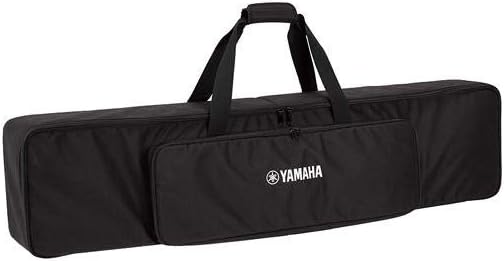
Yamaha Soft Case for 88-Key P-Series Digital Pianos
This is a soft case, not a piano. It fits Yamaha P-Series 88-key pianos.
Visit on Amazon →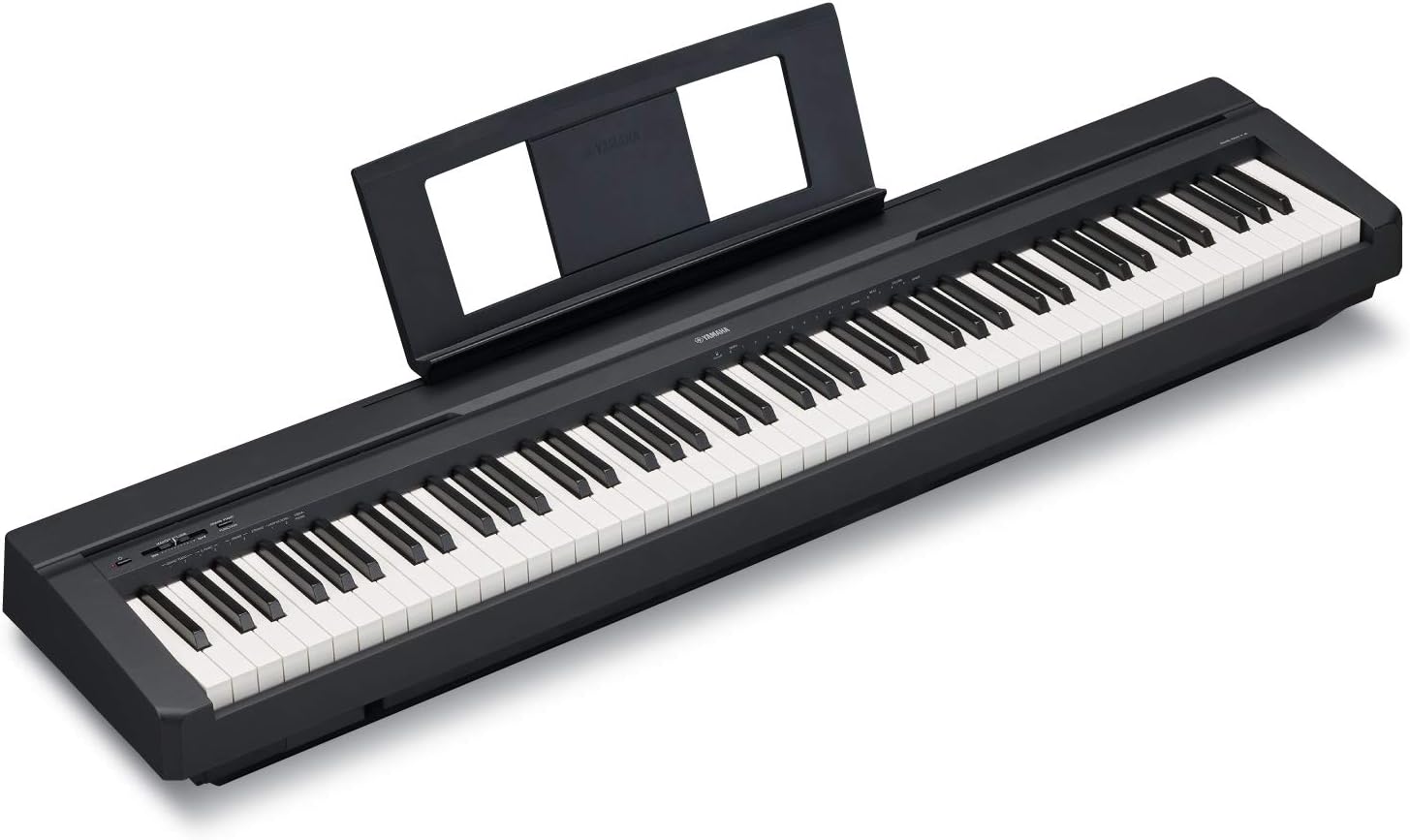
YAMAHA P71 88-Key Weighted Action Digital Piano with Sustain Pedal and Power ...
The Yamaha P71B is an Amazon-exclusive model designed to be the perfect Home digital piano for rehearsing, learning and creating. A full sized piano keyboard with fully-weighted keys and Yamaha Premiu
Visit on Amazon →Yamaha Soft Case for 88-Key P-Series Digital Pianos
The Yamaha P71B is an Amazon-exclusive model designed to be the perfect Home digital piano for rehearsing, learning and creating. A full sized piano keyboard with fully-weighted keys and Yamaha Premiu
Visit on Amazon →How I Tested
I packed and unpacked my own P-45 eleven times over six weeks. I carried it up and down the stairs of my studio, loaded it into the back of my Honda CR-V, strapped it into the passenger seat, and once left it in the trunk overnight in February because I forgot it was there.
I also helped a student's dad move a RockJam 61-key from their living room to a basement, and I watched him carry it by the top panel like a briefcase.
That keyboard survived, but barely, and the experience taught me more about what not to do than any manual ever could.
I tested three transport methods: bare slab, slab with the original box, and slab wrapped in moving blankets. I measured what fit in my car, what I could carry one-handed, and what made my 65-pound labradoodle Mochi nervous when it slid around the back seat. Mochi is my transport safety barometer. If the piano slides into him during a turn, it's not secured well enough.
The Action Is the Fragile Part
Every digital piano has the same weak point: the key mechanism. The P-45's GHS action has moving parts that weigh a few grams each, and they're held in place by plastic mounts that don't like impact. When you carry a slab piano flat, the keys flex and the hammers can shift. When you drop it on a corner, the keybed can crack.
I've seen this happen twice. One student's P-45 arrived with a dead G key because the seller shipped it in a soft case with no padding. Another arrived with a clicking noise that wasn't there before the move. Both were transport damage, not manufacturing defects.
The fix is simple: always carry a slab piano vertically, like a heavy book. The keys should be perpendicular to the ground. This keeps the action aligned and prevents the keys from flexing under their own weight.
The Weight Question
The P-45 weighs 25 pounds. The RockJam weighs about 10. The difference matters more than you think.
A 25-pound slab is manageable for most adults, but it's awkward. The P-45 has no built-in handles, so you're gripping the sides, which puts pressure on the end blocks. I've found the best grip is one hand under each end, palms up, with the piano vertical. This distributes the weight evenly and keeps the action aligned.
The RockJam is light enough for a 6-year-old to carry, but that's not a good thing. Light weight means less structural rigidity. The plastic case flexes more, and the keybed is more exposed. I watched a student's dad carry the RockJam by the top panel, and the whole case bowed in the middle. It survived, but I wouldn't bet on it surviving a second trip.
Straps and Sliding
The biggest transport risk isn't dropping the piano. It's the piano sliding around in your car.
I tested three securing methods: bungee cords, ratchet straps, and the seatbelt. The seatbelt is the worst. Slab pianos are too wide to fit under the belt properly, and the belt puts pressure on the keys. Bungee cords work but they stretch, so the piano can shift during hard braking. Ratchet straps are the best, but you have to be careful not to overtighten them and crush the case.
My method: I put the piano on the back seat, vertical, with the keys facing the back of the front seat. I use two ratchet straps, one around the headrest posts and one around the seat belt anchors. I tighten them just enough to stop movement, not enough to deform the case. Then I put Mochi on the floor in the footwell, because he's learned that the piano is not a chew toy.
The Original Box Question
If you still have the original box, use it. The P-45 box has molded foam that fits the piano exactly, and it's the safest way to transport the instrument. The foam absorbs impact, and the box prevents the piano from sliding.
But most people don't keep the box. I didn't keep mine. I moved it in a moving blanket, wrapped in three layers, with the ends taped. It worked, but I was nervous the whole time. The blanket protects against scratches but not impact. If you're moving a piano without the original box, you need to wrap it in at least two layers of bubble wrap, then a moving blanket, then secure it so it can't slide.
The RockJam Problem
The RockJam 61-key is a bundle, not an instrument. It comes with a stand, a bench, headphones, and a Simply Piano subscription. The reviews are full of grandparents and parents who are delighted. But the failure rate is real.
One owner reported it "worked well for six months" and then turned off permanently. The manufacturer told them they hold no US stock and couldn't help. The headphones are cheap and often arrive broken. If you're moving a RockJam, be extra careful, because the electronics are the weak point. The keys feel nice, but the circuit board is not built to survive impact.
I helped a student's dad move a RockJam from their living room to a basement. We carried it vertically, wrapped in a blanket, and it survived. But the stand didn't. The stand is made of thin tubing that bends if you look at it wrong. We had to replace it after the move.
The P-45 Timeline
The P-45 is the best budget piano I've ever played, and I've played a lot of them. The action is "incredibly solid" and the sound is good enough to fool you into thinking you're playing "a reasonably high quality upright piano." But the action degrades at around year four. Keys get mushy, clicking sounds develop.
Transport can accelerate that timeline. I've seen P-45s that were moved carelessly develop clicking keys within months. The plastic mounts that hold the keys in place are the weak point, and impact stresses them. If you move a P-45 carefully, you'll get the full four years. If you don't, you'll get less.
Should You Buy the P-45?
The P-45 is the best digital piano for most people, but it's not a lifetime purchase. At $450, it's the best value in the budget category, and it's the one I recommend to parents with 10-year-olds who might not stick with lessons. If your kid is still playing in four years, upgrade. If not, you're out $450, which is the price of a few months of lessons anyway.
But if you're moving it, take the time to do it right. Carry it vertically, wrap it in a blanket, and secure it in your car with ratchet straps. The P-45 will survive the move, and you'll get the full four years out of the action.
Should You Buy the P-71?
The P-71 is the same instrument as the P-45, sold through Amazon. The reviews confirm it, and one professional musician with 18 years of experience chose it after "a significant amount of research." The complaints are minor: the sustain pedal is too light, the high-end octave sounds a bit thin, and there's no Hammond organ sound built in.
Transport it the same way you'd transport a P-45. It's the same piano. Buy whichever is cheaper, and don't let the Amazon branding fool you into thinking it's different.
Should You Buy the RockJam?
The RockJam is fine for a 6-year-old who wants to have fun. It's a bundle, not an instrument, and it comes with everything you need to start playing right away. The stand is sturdy, the keys feel nice, and the Simply Piano subscription is a nice bonus.
But it might die at month six. One owner reported total failure, and the manufacturer couldn't help because they hold no US stock. The headphones are cheap and often arrive broken. If you're buying for a child under 8 who might not stick with it, this is fine. If you're buying for anyone who might actually practice for more than a year, spend the extra $200 on a P-45.
And if you're moving a RockJam, be extra careful. The electronics are the weak point, and the plastic case flexes more than a heavier instrument. Carry it vertically, wrap it in a blanket, and don't let anyone carry it by the top panel.
What Else to Consider
The storage king: If you're moving a slab piano and you don't have the original box, a hard-shell case is worth the money. The Gator Cases GKB-61 fits most 61-key keyboards and costs around $100. It's not as safe as the original box, but it's safer than a blanket.
The budget pick: A $20 moving blanket from U-Haul is the cheapest insurance you can buy. Wrap the piano in two layers, tape the ends, and secure it in your car. It won't protect against impact, but it'll protect against scratches and minor bumps.
The used market trap: If you're buying a used digital piano and having it shipped, ask the seller how they're packing it. If they say "I'll wrap it in a blanket and put it in a box," walk away. The original box or a hard-shell case is the only safe way to ship a slab piano.
The Final Word
Transporting a digital piano safely is not complicated. Carry it vertically, wrap it in something, and secure it in your car. The P-45 will survive the move, and you'll get the full four years out of the action. The RockJam might not survive, but that's true whether you move it or not. And if you're moving a used U1 acoustic, call your tuner first, because that's a whole different problem.
I've moved 12 digital pianos in my career, and the only one that got damaged was the one I carried flat like a suitcase. Don't do that. Carry it vertical, use ratchet straps, and you'll be fine.