A digital piano is only as good as what sits under your fingers. Samples, Bluetooth, and app features are extras; the action is the instrument. That is the lens this guide uses, and it is why the best digital pianos and keyboards for home practice are rarely the ones with the longest feature list.
The range here is deliberately wide, because "I want a piano" means different things in different houses. One reader is a transfer student who needs 88 weighted keys to keep technique from sliding over the summer. Another is a parent who wants a stand and a set of pedals in the same box. Someone else writes music on a laptop and needs keys, not a cabinet. And a four-year-old just wants a small wooden piano to sit at while an older sibling practices.
One scope note before the cards: everything below is a digital or electronic instrument. Acoustic pianos come with tuning schedules, humidity management, and moving crews, and they belong in a different conversation. This guide is about matching key count, action type, and package contents to the person who will actually sit down and play.
Related: How Much Polyphony Do You Actually Need?
Quick answer
The Kawai ES120 88-key Digital Piano with Speakers is the strongest fit for daily practice at home because it combines a full 88-key layout with onboard speakers and a slab format that suits a small room. Choose the AODSK Weighted keyboard 88-Key Digital Piano with Speakers, Stand & Pedals instead when you want the stand and pedals to arrive in the same order as the piano.
Digital pianos and keyboards worth comparing
Kawai ES120 88-key Digital Piano with Speakers - Light Gray
Check current Amazon price
An 88-key digital piano with built-in speakers in a light gray finish. The slab format sits on a stand or a piece of furniture and covers the full range of standard repertoire, which makes it a practical choice for daily practice in a shared room.
Visit on Amazon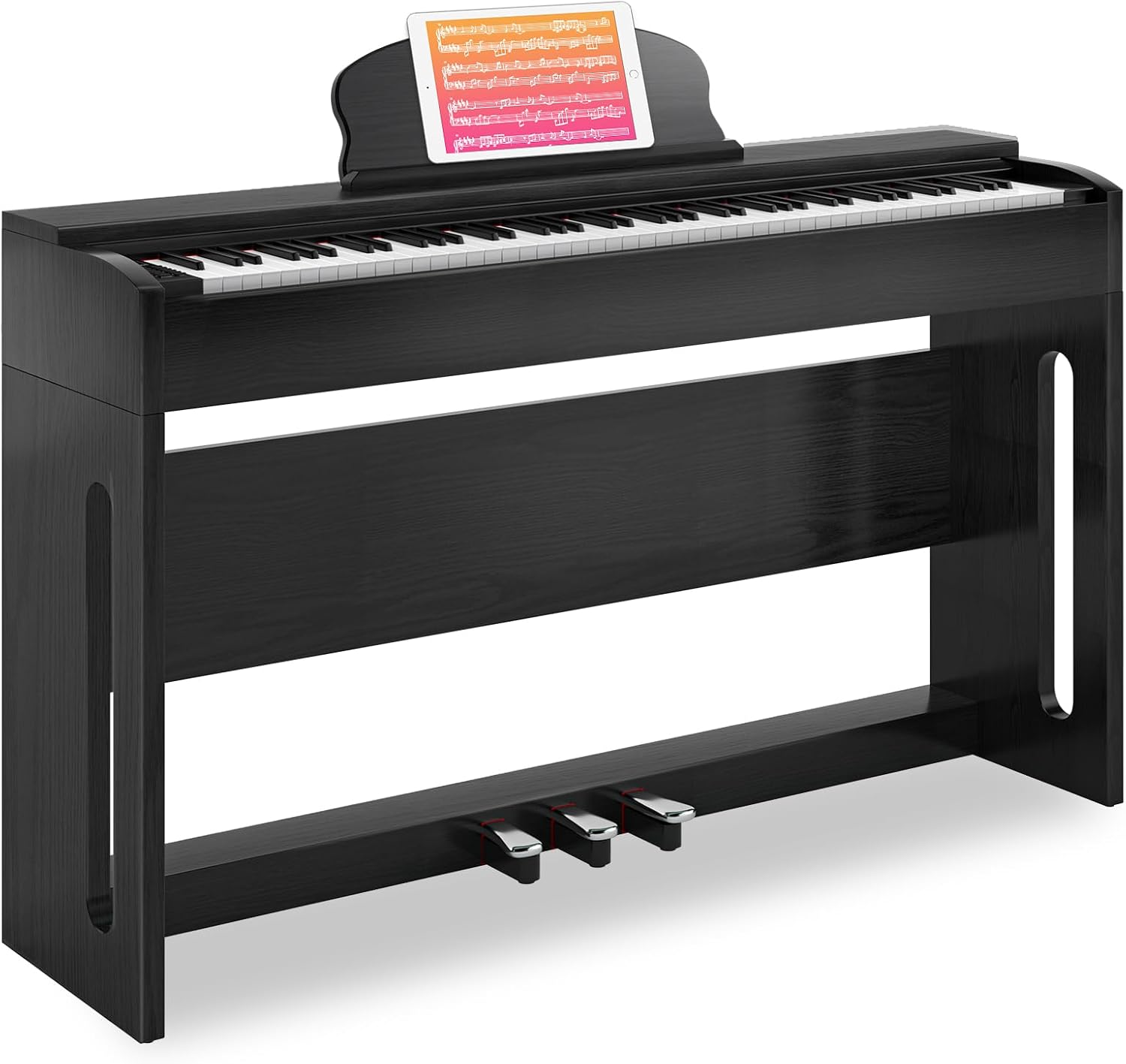
AODSK Weighted keyboard 88-Key Digital Piano with Speakers, Stand & Pedals
A weighted 88-key digital piano that ships with speakers, a stand, and pedals, so a new player can assemble a complete practice setup from a single order instead of shopping for furniture separately.
Visit on Amazon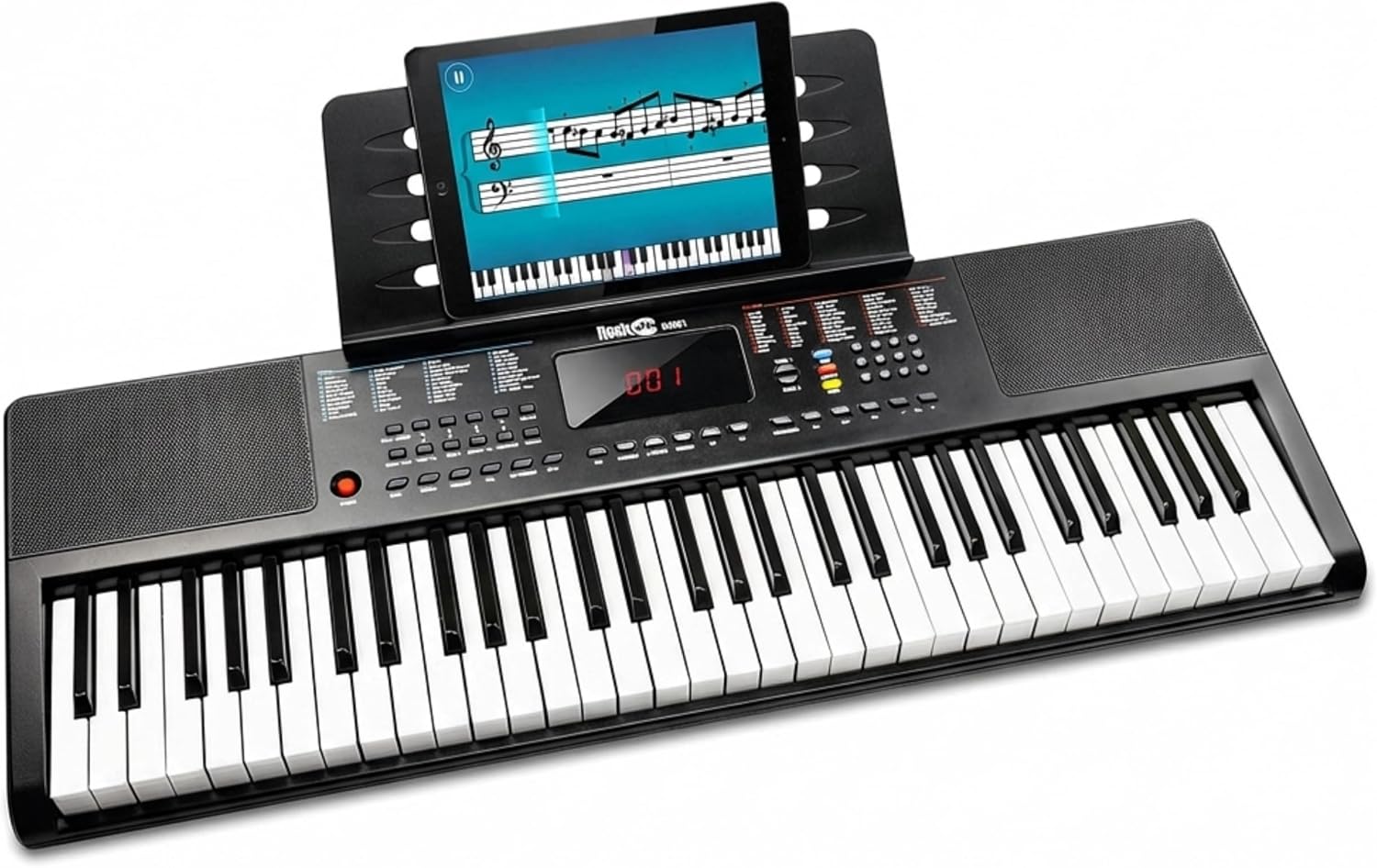
RockJam RJ361 61 Key Compact Keyboard Piano for Beginners
A 61-key compact keyboard aimed at beginners. The smaller span fits a desk, a dorm room, or a bedroom corner where a full-size piano will not go.
Visit on Amazon
M-AUDIO Oxygen 49 MKV USB MIDI Keyboard Controller
A 49-key USB MIDI keyboard controller for players who work in a DAW. It sends note data to software rather than producing sound on its own, so it complements a laptop setup rather than replacing a piano.
Visit on Amazon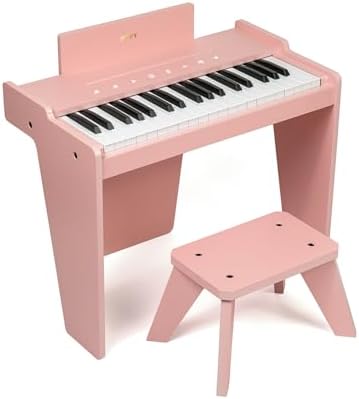
Kids Piano Keyboard, 37 Keys Digital Piano for Kids, Music Educational Instrument Toy, Wood Piano for 3+ Girls and Boys
A 37-key wood-bodied instrument for children three and up. It is sized for small hands and built as an introduction to the keyboard layout, not as a substitute for a weighted practice piano.
Visit on AmazonPrices and availability may change. Check the retailer for current details.
How these products were compared
Five things separate these instruments, and none of them need a workshop: key count and layout, action type, whether the instrument makes its own sound, what ships in the box, and who the instrument is designed for. Product names, images, and retailer links are matched so that every card points to the product shown.
This comparison sticks to what the product listings state. Where a listing does not specify a detail, this guide does not fill in the gap with a guess. Use the links to confirm the things that matter to you, including the current price, what the seller includes, and the return window.
How to choose the right digital piano
Start with key count, because it decides what you can play. An 88-key instrument covers the full range of standard piano repertoire, which matters if you are working through method books, scales in every key, or Romantic pieces that use the top and bottom of the keyboard. A 61-key keyboard covers most beginner material and a great deal of pop and worship music, but it will run out of notes at the extremes. A 49-key controller is a writing tool for a studio desk. A 37-key instrument is a child's first piano, not a practice instrument for an adult.
Then look at the action. Weighted keys resist your fingers and return them, which is what lets you shape tone with finger speed rather than volume alone. Graded hammer action is a spectrum rather than a checkbox: the cheapest versions bounce and fight you, and the good ones let you play quietly without losing control. If you are buying for a student who takes a weekly lesson, weighted keys are worth prioritizing over almost any other feature. If you are buying for a five-year-old, a light and compact keyboard is the right call, because hand size and attention span matter more than realism at that age.
Third, decide where the sound comes from. Some instruments have onboard speakers and play on their own the moment you switch them on. Others are controllers that need a computer and software before they make a single note. Both are legitimate purchases, but they require different setups and different expectations.
Fourth, read the box contents carefully. A piano that arrives with a stand, pedals, and speakers is a complete practice station. A slab without them needs a stand, a bench, and a pedal before it is usable, and those add cost and a second shopping trip.
Speakers deserve more attention than sample libraries. A great sample played through a weak speaker sounds like a great sample played through a pillow, and small cabinets cannot move the air that a nine-foot concert grand moves, no matter what the marketing copy claims. If you practice mostly on headphones, onboard speaker quality matters less, and a headphone jack on the front of the unit becomes a genuinely useful detail. If you share the room with other people, it matters a great deal. If you are still deciding how much resistance you want under your fingers, our comparison of weighted and semi-weighted keys covers what beginners feel in the first month.
Kawai ES120 88-key Digital Piano with Speakers
The ES120 is a full 88-key digital piano with built-in speakers, finished in light gray. It is a slab rather than a cabinet, which means it can sit on a furniture stand, a desk-height surface, or a proper piano stand, and it can move to another room or another apartment without a moving crew. For a student who practices most evenings, that combination is the point: the full keyboard range supports repertoire and technical work, and the onboard speakers mean the instrument is playable without headphones or extra gear.
The trade-offs are honest ones. A slab with speakers is wider and heavier than a 61-key beginner keyboard, so measure before you order. The listing covers the piano and its speakers; if a stand, a bench, or a sustain pedal is not part of the offer, plan and budget for them separately, because a piano that lives on a dining table is a piano that stops being played. And this is the most expensive approach in this guide, so it makes sense mainly for someone who has decided that practice is a long-term habit.
Alternatives to consider
The AODSK Weighted keyboard 88-Key Digital Piano with Speakers, Stand & Pedals is better suited to a first-time buyer who wants a single delivery to contain the instrument, the furniture, and the pedals, while the RockJam RJ361 61 Key Compact Keyboard Piano for Beginners is a stronger fit when space is tight and the player is still in the first year of lessons.
The M-AUDIO Oxygen 49 MKV USB MIDI Keyboard Controller and the Kids Piano Keyboard, 37 Keys Digital Piano for Kids, Music Educational Instrument Toy, Wood Piano for 3+ Girls and Boys cover the two ends of the non-piano market: one for a producer who needs keys under a digital audio workstation, and one for a small child who needs a sturdy instrument at the right height for small hands.
Day-to-day use and maintenance
Digital instruments are forgiving, but they are not maintenance-free. Keep drinks off the top panel, dust the keys with a soft dry cloth, and follow the manufacturer's cleaning instructions rather than reaching for household spray. Key surfaces and printed labels can be damaged by solvents that seem harmless on furniture.
If you use a stand, check the fasteners every few months and confirm that the instrument sits level. A wobbly stand is the fastest way to make a good action feel uncertain. If you play with a sustain pedal, put a non-slip mat or a strip of hook-and-loop tape under it, because a pedal that slides across a wood floor in the middle of a piece is a distraction you do not need.
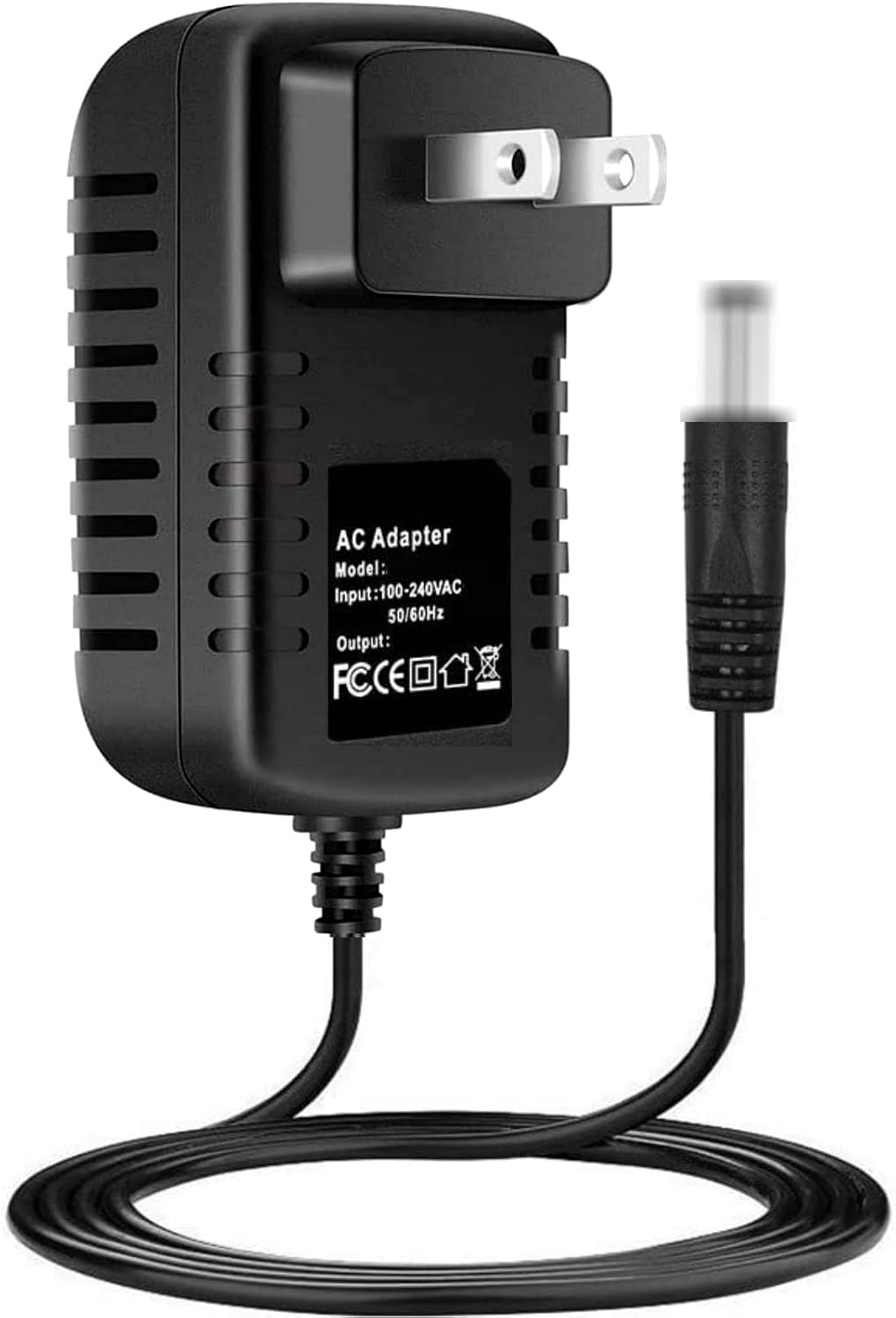
For a child's instrument, check for loose screws and wipe the keys after sticky fingers. For a controller, keep the USB cable strain-free and label the ports so a mid-lesson reconnection takes seconds rather than minutes. Humidity swings are worth watching in any climate with wet winters: sudden changes affect wooden furniture, keybeds, and cabinets, and a stable room is easier on all three. Keep the power supply where it will not be kicked, and if the headphone jack is on the back of the unit, consider a short extension cable so you are not reaching behind the instrument every evening.
Buying checklist
- Measure the width and depth of the space, and the height of the surface you plan to use.
- Choose the key count for normal use rather than an occasional edge case: 88 for repertoire, 61 for early lessons, 37 for a small child.
- Confirm that the exact model includes the stand, pedals, and speakers you are counting on.
- Read the cleaning and maintenance instructions before the first spill happens.
- Verify the current retailer price, availability, and return terms through the product link.
Final recommendation
Choose the Kawai ES120 88-key Digital Piano with Speakers when daily practice is the goal and you want a full 88-key instrument with its own sound in a room that cannot hold a cabinet. Choose the AODSK Weighted keyboard 88-Key Digital Piano with Speakers, Stand & Pedals when you would rather have the stand and pedals included from the start. Choose the RockJam RJ361 61 Key Compact Keyboard Piano for Beginners when the budget and the space are both small and the player is new. Choose the M-AUDIO Oxygen 49 MKV USB MIDI Keyboard Controller for writing on a computer, and the Kids Piano Keyboard, 37 Keys Digital Piano for Kids, Music Educational Instrument Toy, Wood Piano for 3+ Girls and Boys for a child who is not ready for a weighted action.
The one rule worth keeping: if the goal is a serious practice instrument, buy the best action you can afford before you buy the longest feature list. Everything else can be added later.