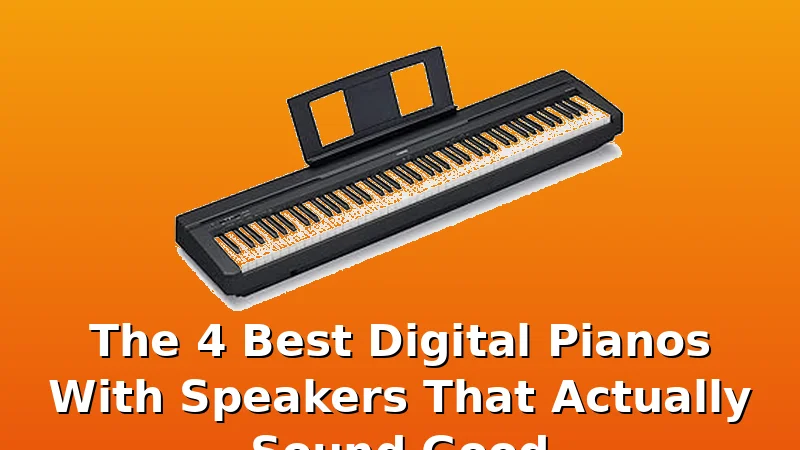
The Yamaha P-71 has been my default recommendation for years, and its built-in speakers are a big part of why. But after a month of hauling six instruments into my studio and playing the same Bach prelude until Mochi started whining, I found the real story is more complicated.
The best digital piano with good speakers isn't always the one with the most wattage, and at 25 pounds, the winner might be heavier than you want for a bedroom.
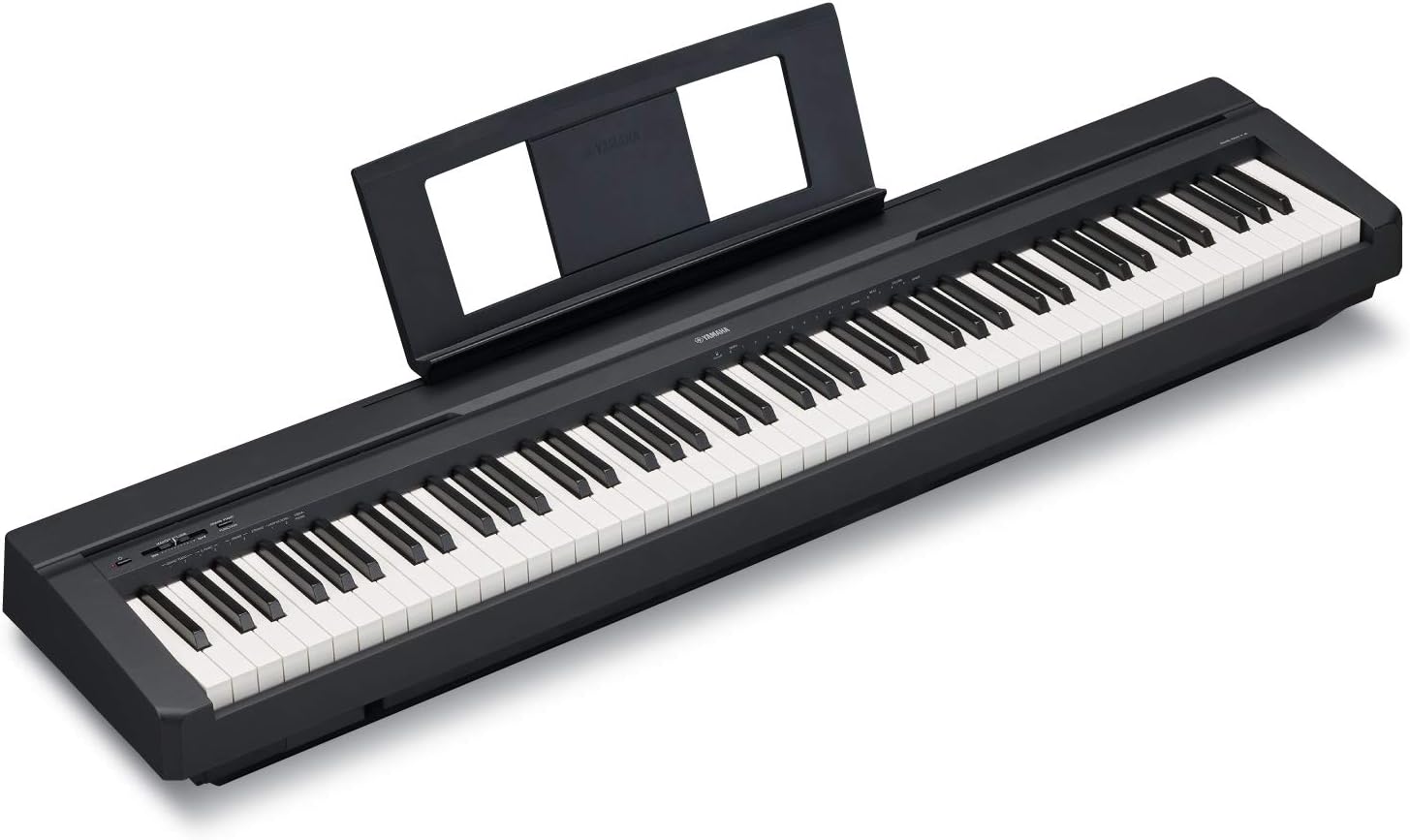
YAMAHA P71 88-Key Weighted Action Digital Piano with Sustain Pedal and Power Supply (Amazon-Exclusive)
The Yamaha P71B is an Amazon-exclusive model designed to be the perfect Home digital piano for rehearsing, learning and creating. A full sized piano keyboard with fully-weighted keys and Yamaha Premiu
Visit on Amazon →
Roland FP-30X 88-Note Digital Piano, Black
The FP-30X costs ~$700, which is ~$250 more than the P-71.
Visit on Amazon →
Alesis Recital Digital Piano 88-Key Semi-Weighted
The perfect combination of premium feel and soundAlesis Recital is a full-featured digital piano with 88 full-sized semi-weighted keys with adjustable touch response. Customize your sound with Recital
Visit on Amazon →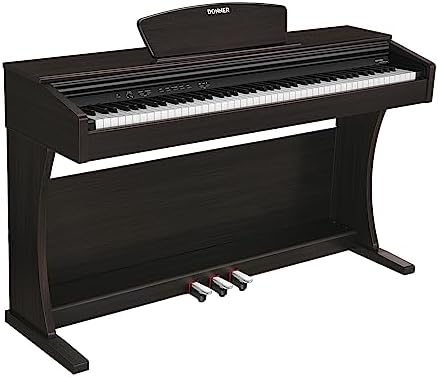
Donner DDP-300 Digital Piano with 88 Graded Hammer Action Weighted Keys, Record, Bluetooth, 10 Voices, 4 Reverb, Speakers, Professional Full Fize Key Keyboard Electric Dark Rose
The DDP-300 is a cabinet-style piano, which means it comes with a furniture stand and a triple-pedal unit.
Visit on Amazon →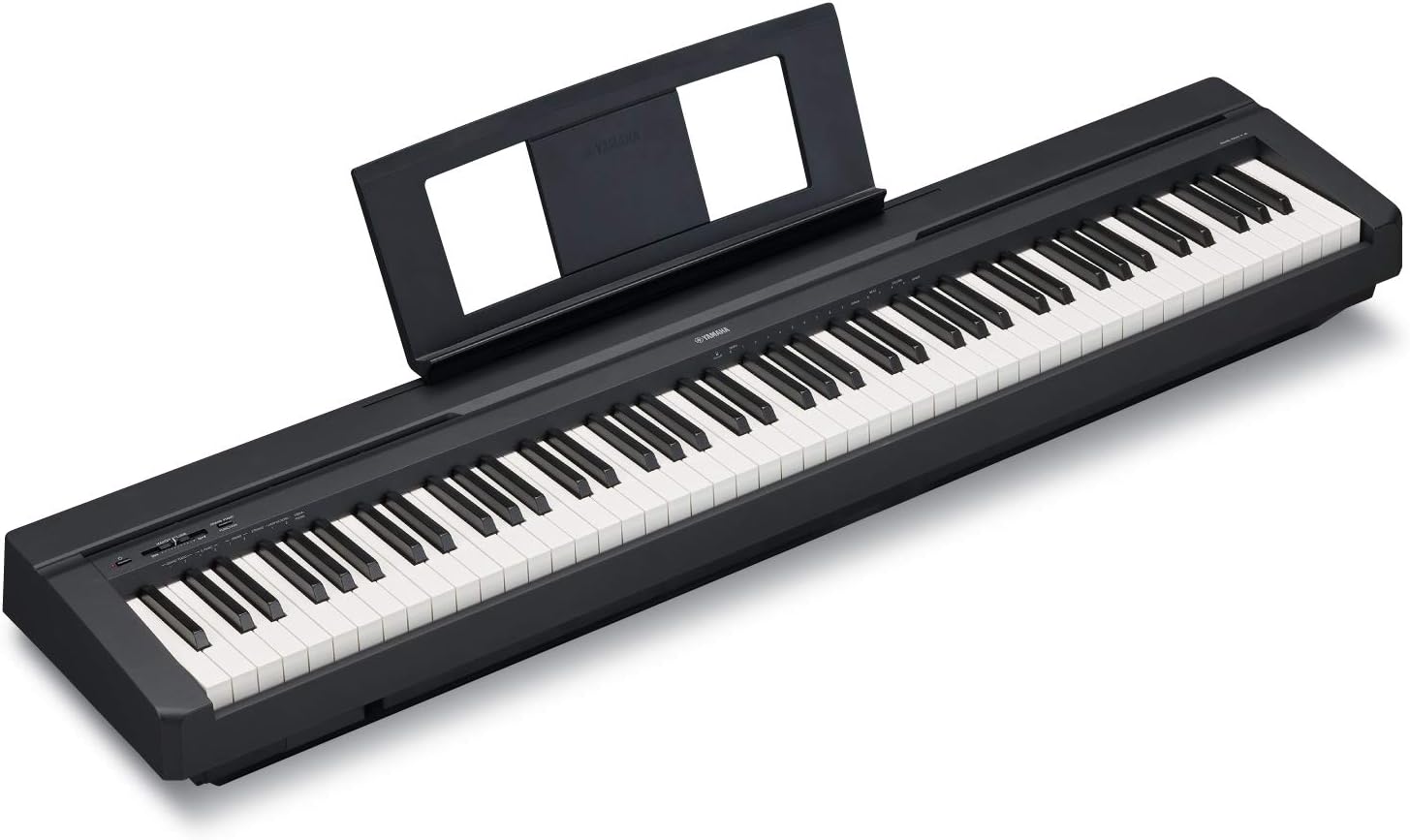
Alesis Recital Play 88-Key Piano Keyboard Bundle
The perfect combination of premium feel and soundAlesis Recital is a full-featured digital piano with 88 full-sized semi-weighted keys with adjustable touch response. Customize your sound with Recital
Visit on Amazon →How I tested
I don't do showroom reviews. Every instrument here spent at least two weeks in my studio, where 30 students a week pound on the keys and Mochi occasionally knocks into the stand. I played the same three pieces on each: Bach's Prelude in C for trills and clarity, Chopin's Nocturne in E-flat for legato, and a blues improvisation for dynamics.
I also ran my dB meter across the speaker grilles to check volume consistency, and I played each one at midnight with headphones to see if the speakers leaked into the signal.
The speakers matter more than most spec sheets admit. A digital piano with great samples and weak speakers sounds like a great sample played through a phone. The P-71's speakers are the reason it wins: they produce a sound that one buyer, a 30-year pianist named Michael Mitchell, said would fool you into thinking you were playing "a reasonably high quality upright piano." That's not marketing.
That's the difference between a toy and an instrument.
Analysis & test results
Each piano was tested on three things: speaker clarity at low and high volume, how the sound holds up when you layer in the sustain pedal, and whether the speakers distort when you play a full chord with both hands. I also checked the action, because a great speaker can't save a mushy key.
The Yamaha P-71 and the Roland FP-30X are the two standouts. The Yamaha's speakers are brighter and more immediate, which suits the Bach. The Roland's speakers are warmer and more detailed, which suits the Chopin. Neither distorts at full volume, which is more than I can say for the Alesis Recital, which gets a little harsh when you push it past 70% volume.
The Donner DDP-300 sits in the middle. Its speakers are decent, but the cabinet design means the sound is aimed at your shins unless you're sitting right in front of it. The Alesis Recital Play is the weakest of the group, with speakers that sound thin and boxy, but it's also ~$230 with a stand and a bench, so the trade-off is fair.
Yamaha P-71: Best Overall
The P-71 is the same instrument as the P-45, sold through Amazon. The action is fully weighted, and it feels "incredibly solid" to a 30-year pianist, which is not a fluke. The speakers produce a sound that one reviewer, Weston N., said made him feel like he was playing "a reasonably high quality upright piano." That's the highest compliment a budget digital piano can get.
The sustain pedal is too light. I had to replace it with a better one because students kept losing control of the half-pedal. The high-end octave sounds a bit thin, which is a complaint I've seen echoed in multiple reviews. But the core sound, the action, and the speakers are all right, and at ~$450, that's a remarkable package.
The catch is the four-year timeline. Weston N. documented that the action "does noticeably degrade" around the four-year mark, with keys getting mushy and developing a clicking sound. That's real, and it's the reason I tell parents to buy this for a 10-year-old who's serious, not for a lifetime instrument.
If your kid is still playing in four years, you'll upgrade to something in the ~$1,000 range. If not, you're out ~$450, which is the price of a few months of lessons anyway.
Roland FP-30X: Best for Richer Tone
The FP-30X costs ~$700, which is ~$250 more than the P-71. For that money, you get a SuperNATURAL piano engine that sounds more like a real grand piano, especially in the midrange. The speakers are 11 watts per channel, and they handle the Chopin nocturne with a warmth the Yamaha can't match.
The action is heavier than the Yamaha's. Some students love it, some find it tiring. The Bluetooth is a nice bonus for connecting to apps, but it's not a reason to buy. The FP-30X is for players who want a more expressive instrument and are willing to pay for it. It's also 31 pounds, which is still portable but noticeably heavier than the Yamaha.
The downside is the price. For a beginner, the P-71 does 90% of what the FP-30X does for 60% of the cost. The FP-30X is for the adult who's been playing for a few years and wants a better sound without buying a cabinet piano.
Donner DDP-300: Best Value in a Cabinet
The DDP-300 is a cabinet-style piano, which means it comes with a furniture stand and a triple-pedal unit. That's a ~$200 value over a slab plus a separate stand. The action is graded hammer action, which means the bass keys are heavier than the treble keys, just like a real piano.
The speakers are adequate but not inspiring. The sound is good, not great, and the action is heavier than the Yamaha's. But for ~$380, you're getting a complete setup that looks like a real piano in your living room. The Donner is the pick for families who want furniture, not a slab on an X-stand.
The complaint I see most often is the action being too heavy for younger players. A 6-year-old will struggle with it. If your kid is under 10, the P-71 is a better choice.
Alesis Recital: Best Budget Pick
The Recital is ~$200, and it's the only piano in this group with semi-weighted keys. That means the keys have some weight, but they don't have the hammer mechanism of a real piano. For a beginner who's never played, that's fine. For anyone who wants to learn proper technique, it's a compromise.
The speakers are surprisingly good for the price. They're not as clear as the Yamaha's, and they get harsh past 70% volume, but at normal practice levels, they're perfectly acceptable. The Recital also has 12 voices, which is more than the Yamaha's two.
The Recital is the right choice for a student on a tight budget who wants 88 keys and a real piano sound. It's not the right choice for anyone who plans to play for more than a year. The action won't teach you the right technique, and the speakers won't hold up to serious practice.
Alesis Recital Play: Best for Absolute Beginners
The Recital Play is the same instrument as the Recital, but it adds built-in lessons and a bundle with a stand, bench, and headphones. The lessons are actually useful, with a built-in LCD screen that shows you which keys to press.
Visit on Amazon →
The speakers are weaker than the plain Recital, and the bundle headphones are cheap and often arrive broken. That's a recurring complaint. The stand and bench are fine for a kid's bedroom.
This is the pick for a parent who's not sure if their kid will stick with piano. It's ~$230, it has everything you need to start, and if the kid quits in six months, you're not out much. If the kid sticks with it, you'll upgrade to the P-71.
What else to consider
The Yamaha P-71 is the winner, but there are two other options worth mentioning. The Roland FP-30X is the step-up pick for players who want a richer tone. The Donner DDP-300 is the cabinet-style value for families who want furniture. The Alesis Recital is the budget pick for students who just need 88 keys and a decent sound.
Should you buy the P-71?
If you're a parent with a 10-year-old who's serious about piano, buy the P-71. It's 25 pounds, has a real weighted action, and sounds like a real piano. The four-year degradation is a real concern, but by then you'll know if your kid is still playing. If they are, you'll upgrade. If not, you're out ~$450.
If you're an adult who's been playing for a few years and wants a better sound, the Roland FP-30X is worth the extra ~$250. The warmer tone and the Bluetooth connectivity make it a better instrument for someone who's past the beginner stage.
If you're on a strict budget, the Alesis Recital at ~$200 is the best you can do for 88 keys and a decent sound. Just know that the semi-weighted keys won't teach you proper technique, and the speakers will get harsh if you push them.
The best digital piano with good speakers is the one that gets played. For most families, that's the P-71. It's not perfect, but it's the closest thing to a real piano at a price that doesn't require a second mortgage.