Shopping for a first piano is harder than it used to be, because the shelf now runs from a 32 key toddler toy to a cabinet instrument that costs more than a used upright. The label on the box rarely tells you which one you are actually buying. An 88 key weighted digital piano can mean a graded hammer action built for real repertoire, or a full width keyboard with keys that barely resist your finger. Both look similar in a product photo. Both claim to be for beginners.
This guide sorts six instruments into the jobs they actually do: an adult or teenager starting lessons at home, a household that needs headphones and a small footprint, and the very youngest player who needs something their hands can reach. The recommendations below are based on the specifications and accessory sets each manufacturer lists, plus what matters most when a student sits down for the first month of lessons: key count, action type, pedal arrangement, and what comes in the box.
Related: How to Set Up a Digital Piano Practice Corner at Home
Quick answer
The Donner DEP-20 Lite Digital Piano 88 Key Weighted Keyboard Full Size, Portable Electric Piano Set with Stand, Sustain Pedal, LCD, Wireless MIDI Audio, 185 Tones, Gifts for Beginners Teens, Black is the strongest fit for most first time buyers because it pairs a full 88 key weighted keyboard with the stand, sustain pedal, and wireless MIDI connection that a beginner otherwise has to buy separately. Choose the Kawai CX102 Digital Piano - Black instead when the piano will live in one room as furniture and you want a cabinet instrument from a maker with a long action building history.
Digital pianos and keyboards worth comparing
These six cover three distinct buyer situations: full size 88 key instruments for students, a cabinet piano for a permanent practice room, and two mini keyboards for small hands. One is the top pick, and the rest are here because they solve a specific problem better than the others do.
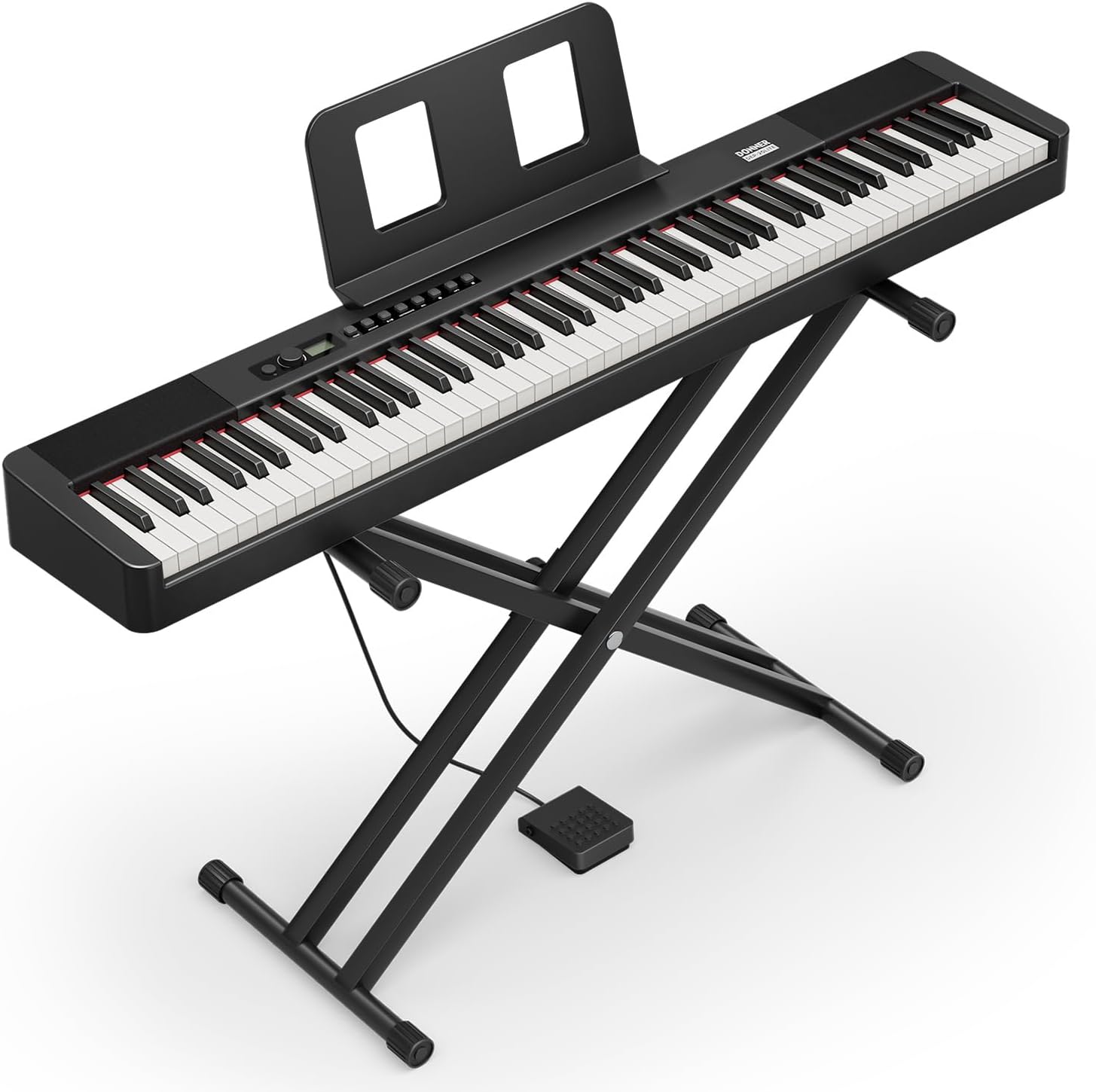
Donner DEP-20 Lite Digital Piano 88 Key Weighted Keyboard Full Size, Portable Electric Piano Set with Stand, Sustain Pedal, LCD, Wireless MIDI Audio, 185 Tones, Gifts for Beginners Teens, Black
A full size 88 key weighted keyboard sold as a complete set, with a stand, sustain pedal, LCD display, wireless MIDI audio, and 185 built in tones. The most self contained starting point in this group.
Visit on Amazon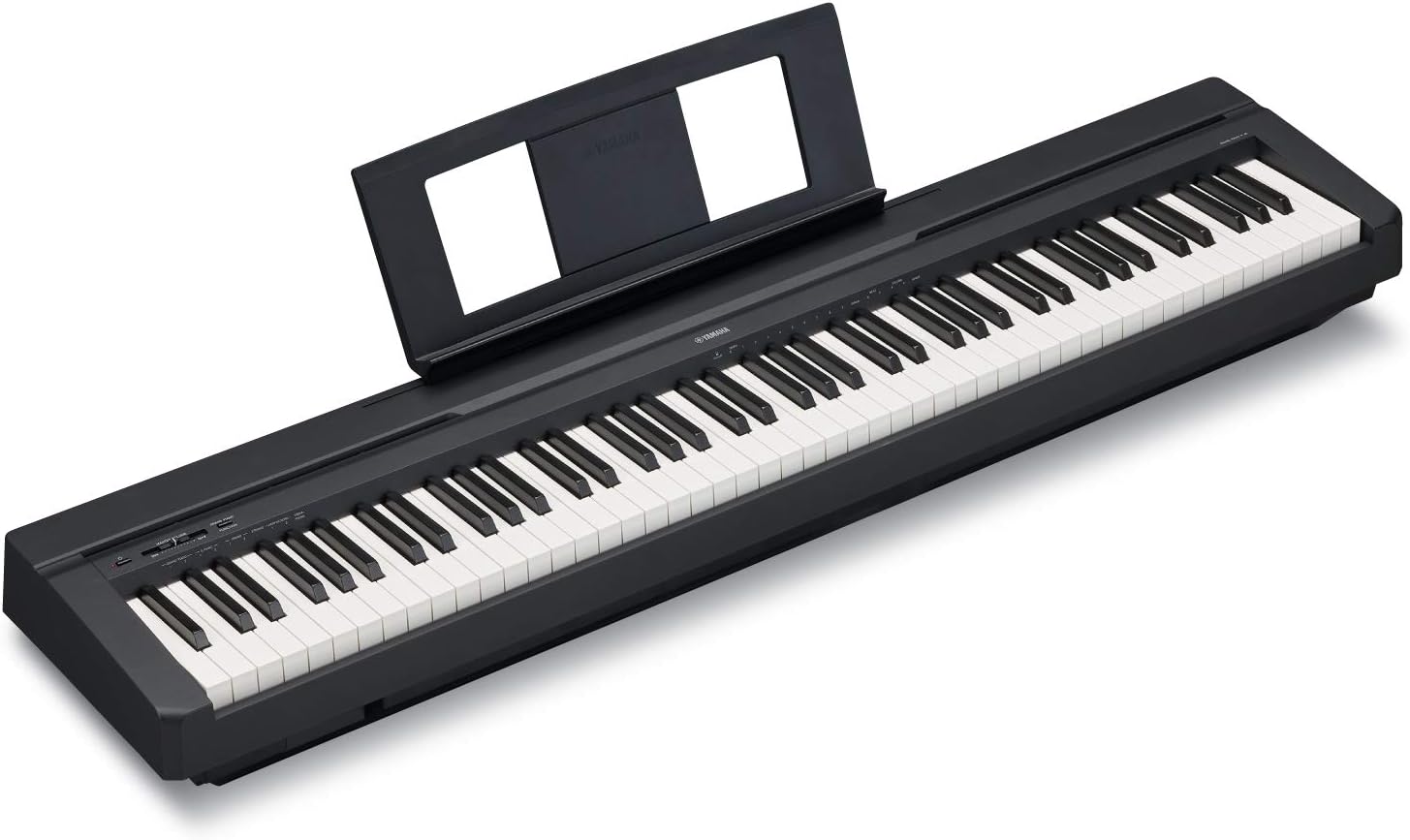
Eastar EUP-100 Digital Piano 88 Key Weighted Keyboard Full Size, Home Digital Keyboard Piano Gifts for Beginners Daughter, with Cover, Headphone, Three-Pedal, Wireless Midi & Recording, Retro Wood
An 88 key weighted full size keyboard in a retro wood finish, supplied with a cover, headphones, a three pedal unit, and wireless MIDI with recording. The accessory list is the longest here.
Visit on Amazon
Kawai CX102 Digital Piano - Black
Check current Amazon price
A cabinet style Kawai digital piano in black. Built for a permanent spot in a room rather than for carrying to lessons, and the step up option for players who intend to keep going.
Visit on Amazon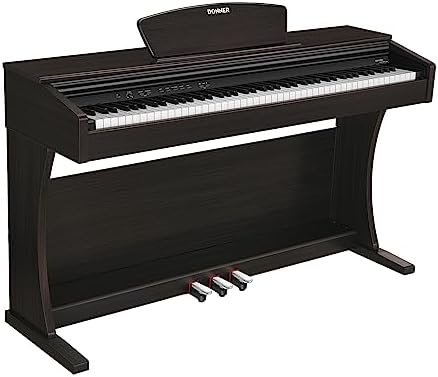
Digital Piano Keyboard 88 Key Semi-Weighted Full Size Electric Piano
A full size 88 key electric piano with semi-weighted keys. The middle ground between a light synth style touch and a fully weighted action, at the lowest cost of any 88 key option here.
Visit on Amazon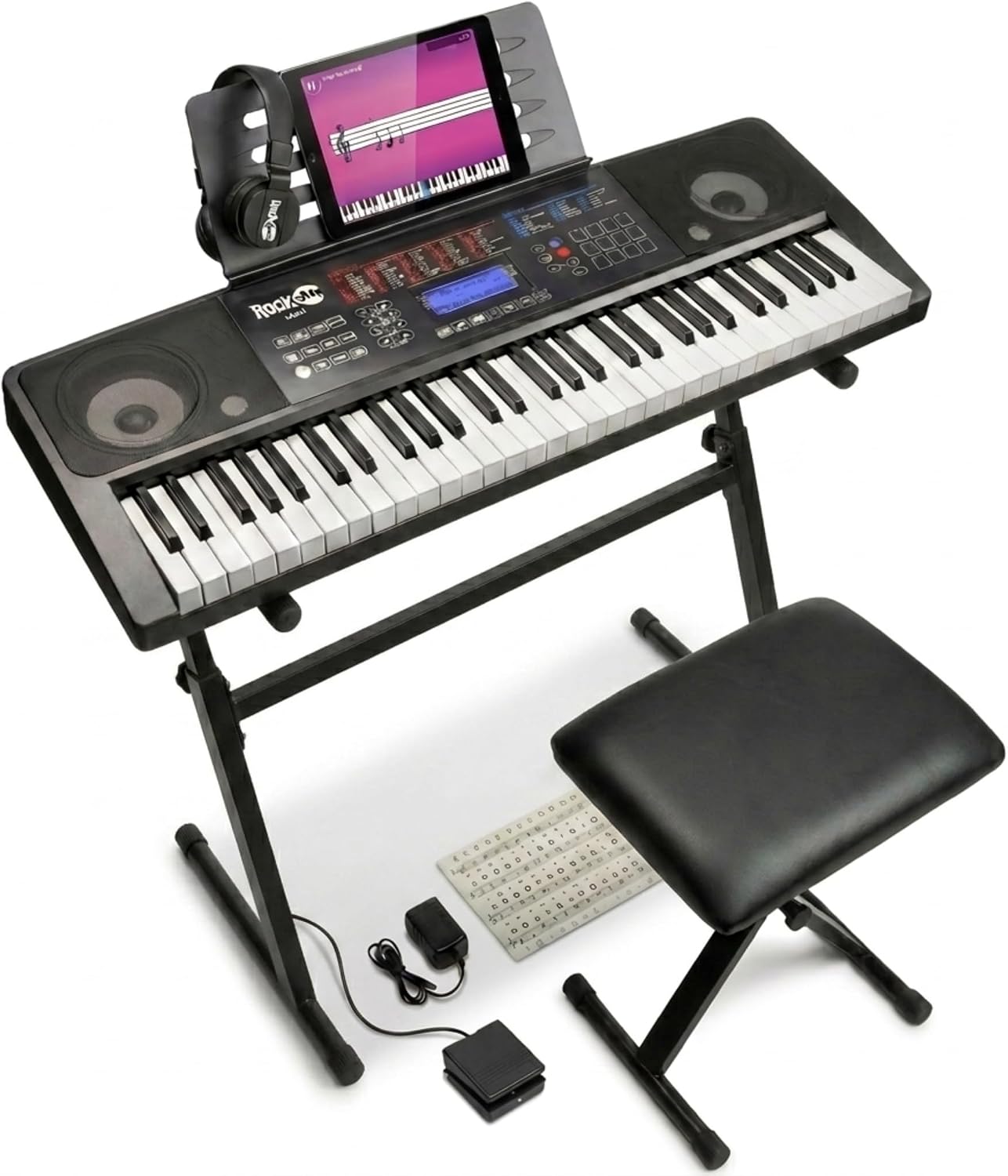
STRICH 37 Keys Kids Piano Keyboard Set, Mini Grand Digital Piano for Kids With Stand Chair, Wood Piano for 3+ Girls and Boys, Classic Black, SEK-60
A 37 key mini grand set for ages three and up, including a stand and chair in a wood cabinet with a classic black finish. Sized so a small player can reach the pedals-free floor position comfortably.
Visit on Amazon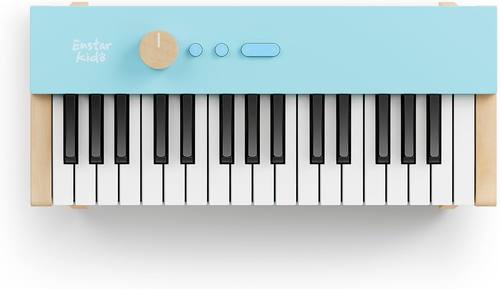
Kids Piano Keyboard, 32 Keys Digital Piano for Kids, Music Educational Instrument for Beginner, Mini Wood Keyboard Piano for Toddler, Light Blue
A 32 key mini wood keyboard in light blue, positioned as an educational first instrument for toddlers. The smallest and least expensive way to find out whether a child stays interested.
Visit on AmazonPrices and availability may change. Check the retailer for current details.
How these products were compared
This guide compares key count and action type, the accessory set included in the box, cabinet versus slab construction, connectivity options such as wireless MIDI, and the age or experience level each instrument is built for. Product names, images, and retailer links are matched so that every card points to the product shown.
Nothing here is presented as a lab measurement. The descriptions reflect what each manufacturer lists for its own model, which is the honest limit of what a buyer can verify before an instrument arrives. Two keyboards can both say "weighted" and feel nothing alike, and the only reliable test is your own hands on the keys.
How to choose the right digital piano
Start with the action, because it is the part you cannot upgrade later. A weighted action resists your finger and returns to rest at a speed you can learn to control, which is what lets a student play softly on purpose instead of only loudly. A semi-weighted or unweighted keyboard returns faster and with less resistance, which is fine for a first year of note reading and finger independence but becomes a problem the moment a student needs dynamic control. If the player is an adult or a teenager taking weekly lessons, an 88 key weighted instrument is the safer purchase, even if it costs more than the alternative on the same page.
Key count is the second decision. Sixty-one keys feel generous until a student reaches the outer octaves of a two hand piece and has nowhere to put their hand. Eighty-eight keys is the standard range, and it removes that limitation permanently. For a child under six, though, 88 keys is the wrong answer for a different reason: their arms cannot cover the span, and a full size instrument turns practice into reaching. A 32 or 37 key mini keyboard at that age is a curiosity instrument, not a compromise, and it is worth treating it that way. If you want to think through how the instrument fits into a room before you buy, our notes on setting up a practice corner cover placement and headphone use.
Donner DEP-20 Lite Digital Piano
The Donner DEP-20 Lite is the pick here because it does the unglamorous work of a first instrument. It is a full size 88 key weighted keyboard, and it arrives with the stand, the sustain pedal, and wireless MIDI audio already in the set, which means a beginner is not hunting for three separate purchases in the first week. The LCD and the 185 built in tones give a new player something to explore when scales get tedious, and the wireless MIDI connection matters more than it sounds: it is the difference between a keyboard that only makes sound and one that can also talk to a teaching app or a notation program.
The trade off is the same one every slab in this price band carries. It is not a cabinet piano, so the pedals and the stand are lighter duty than what you would find bolted to a furniture instrument, and the built in speakers are small. Plan on headphones for serious practice and treat the included sustain pedal as a starting point rather than a permanent solution. That is not a criticism of this model specifically; it is what the category is.
Alternatives to consider
The Eastar EUP-100 Digital Piano 88 Key Weighted Keyboard Full Size is better suited to a household that wants the accessory question settled in one order, since it ships with a cover, headphones, a three pedal unit, and wireless MIDI with recording, and its retro wood finish reads as furniture rather than gear. The Kawai CX102 Digital Piano - Black is a stronger fit when the piano has a permanent home and the buyer is willing to pay for cabinet construction and a maker whose reputation rests on action quality rather than on tone count.
The Digital Piano Keyboard 88 Key Semi-Weighted Full Size Electric Piano, the STRICH 37 Keys Kids Piano Keyboard Set, and the Kids Piano Keyboard, 32 Keys cover the other two ends of the market. The semi-weighted 88 key model is the budget route to a full size layout for a casual player or a second instrument for a vacation house. The two mini keyboards are for small children: the STRICH set includes a stand and chair and is rated for ages three and up, while the 32 key light blue model is the simplest and least expensive introduction for a toddler.
Day-to-day use and maintenance
A digital piano is mostly maintenance free, which is part of its appeal, but a few habits keep it working. Keep it out of direct sunlight and away from heating vents, since cabinet finishes and plastic key beds both react to heat over time. Dust the keys with a dry microfiber cloth rather than a spray, and never let liquid run between the keys. If the instrument sits against a wall, leave a few inches of clearance so the speakers are not firing directly into drywall, which muddies the low end more than most people expect.
For the smaller keyboards, check the stand and chair hardware periodically, because children lean on things. Any instrument that runs on batteries or a power adapter should be unplugged during long absences, and if a child is using headphones, set a volume limit and check it yourself rather than trusting the child to keep it low.
Buying checklist
- Measure the wall space and the depth of the footprint before choosing between a slab and a cabinet.
- Choose 88 weighted keys for a student taking lessons, and a 32 or 37 key mini keyboard only for a child too small to reach a full size instrument.
- Confirm that the exact model includes the stand, pedal, and headphones you are counting on, since those vary by listing.
- Check whether the instrument offers wireless MIDI or recording if you plan to use teaching apps.
- Read the cleaning and care instructions for the finish.
- Verify the current retailer price, availability, and return terms before ordering.
Final recommendation
Choose the Donner DEP-20 Lite Digital Piano 88 Key Weighted Keyboard Full Size when you want a full size weighted instrument with the stand and pedal already included, which is the situation most first time buyers are in. Choose the Kawai CX102 Digital Piano - Black when the piano will stay in one room and cabinet construction matters more than portability. For a child under six, choose one of the mini keyboards instead of a full size instrument, and revisit the 88 key question when their hands can span an octave.